The Versatility of Custom Metal Structures
Custom metal structures encompass a broad range of fabricated and welded work that serves functional, structural, and architectural purposes. Unlike mass-produced metal products, custom structures are designed and built for specific applications, spaces, and performance requirements. This makes them invaluable for projects where standard products do not fit or do not perform adequately.
At Micha Solution Welding in Hialeah, Florida, we fabricate and weld custom metal structures for residential, commercial, and industrial clients across South Florida. With 15 years of experience, we have built everything from small custom brackets to large structural assemblies. This guide explores the types of custom metal structures and how they serve different property types.
Whether you are a homeowner looking to improve your property, a business owner needing a specific structure, or a contractor planning a project, understanding what custom metal structures can do helps you plan effectively.
Residential Metal Structures
In residential settings, custom metal structures serve both functional and aesthetic purposes. Common residential applications include custom stairs, structural supports for additions and modifications, property improvement structures, and architectural metalwork.
Custom steel stairs are one of the most common residential metal structure projects. Whether for interior or exterior use, steel stairs provide strength, durability, and design flexibility. They can be configured to fit any space and finished to match the home's style. In South Florida, exterior steel stairs must be protected from corrosion with appropriate coating.
Structural supports are another common residential application. Steel beams for floor or roof support, structural frames for additions, and reinforcement of existing structural elements all require custom fabrication and welding. These projects may require engineering and building permits, particularly when they affect the load-bearing elements of the home.
Property improvement structures include gates, decorative metalwork, custom railings, and functional structures like equipment supports or storage frameworks. These projects combine function with appearance, requiring fabrication that is both strong and visually appealing.
Architectural metalwork — custom metal features that enhance the property's appearance — is another residential application. This can include decorative panels, custom handrails, metal awnings or canopies, and unique metal features designed for the specific property. These projects require a combination of fabrication skill and design sense.
Commercial Metal Structures
In commercial settings, custom metal structures tend to be larger, more complex, and subject to stricter code requirements. Common commercial applications include structural steel for building modifications, mezzanines and platforms, equipment supports, access structures, and custom fabrication for business operations.
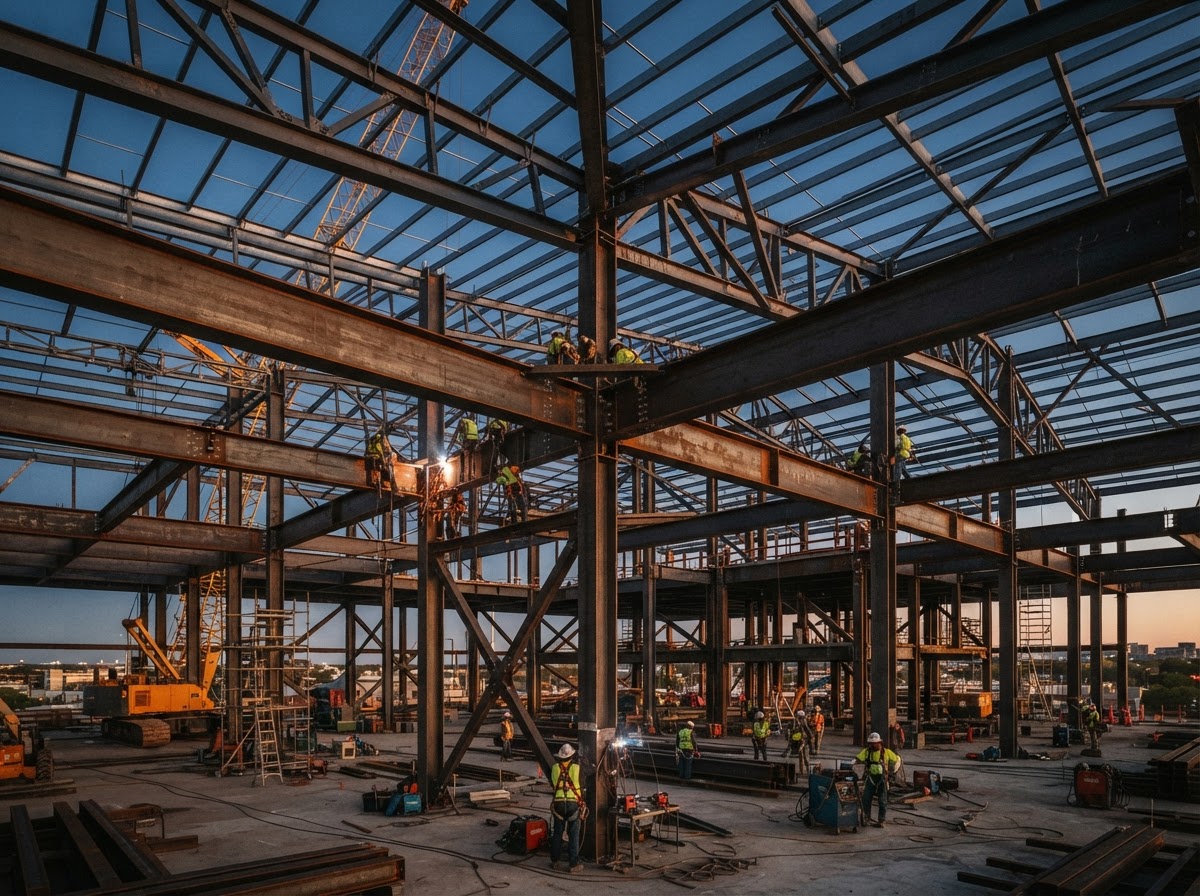
Structural steel for commercial building modifications is a significant category. When a commercial building is renovated, expanded, or reconfigured, structural steel work is often required — new beams, columns, frames, and connections. This work must meet building code requirements and may require engineering and permits.
Mezzanines and platforms are common in commercial and industrial buildings where additional floor space is needed without expanding the building footprint. A steel mezzanine creates a second level within an existing space, supported by a structural steel frame. These structures must be engineered for the intended loads and anchored properly to the existing building.
Equipment supports are custom structures designed to hold specific equipment — HVAC units, tanks, machinery, and processing equipment. The support must be designed for the weight and dynamic loads of the equipment and must be properly anchored. Custom fabrication ensures the support fits the equipment and the available space.
Access structures — stairs, platforms, catwalks, and ladders — provide safe access to equipment, roof areas, and elevated work areas. These structures must meet OSHA requirements for safety and may also need to comply with building codes. Custom fabrication ensures the access structure fits the specific location and provides safe, functional access.
Industrial Metal Structures
Industrial applications demand the heaviest and most durable custom metal structures. Industrial environments involve heavy loads, vibration, impact, and harsh conditions that require robust fabrication. Common industrial applications include heavy equipment supports, platforms and catwalks, structural frames, and custom structures for specific industrial processes.
Heavy equipment supports must carry significant static and dynamic loads. A support for a large piece of industrial machinery must be engineered for the weight of the equipment, the vibration it produces, and any additional loads from operation. The support must be anchored to a foundation capable of carrying the combined load.
Platforms and catwalks in industrial settings provide access to equipment, processing lines, and elevated work areas. These structures must be designed for the loads they will carry — workers, tools, and materials — and must meet OSHA requirements for safety. Industrial platforms often use steel grating for treads to provide slip resistance and allow debris to fall through.
Structural frames for industrial applications — equipment frames, support structures, and custom assemblies — are designed and fabricated for specific industrial processes. These structures must be strong, durable, and precisely dimensioned to accommodate the equipment and processes they support.
The Design and Fabrication Process
Custom metal structure projects follow the standard fabrication process — planning, material selection, cutting, fitting, welding, and finishing — but with additional emphasis on engineering and code compliance for structural projects.
Planning for structural metal structures involves determining the load requirements, selecting appropriate materials and sizes, and planning the connections. For projects that require engineering, the engineer specifies the structural requirements and the fabricator works to those specifications.
Material selection for custom structures depends on the application. Carbon steel is the default for most structural applications. Stainless steel may be used for corrosion resistance in harsh environments. Aluminum may be used where weight is a concern. The material must be appropriate for the loads, environment, and performance requirements.
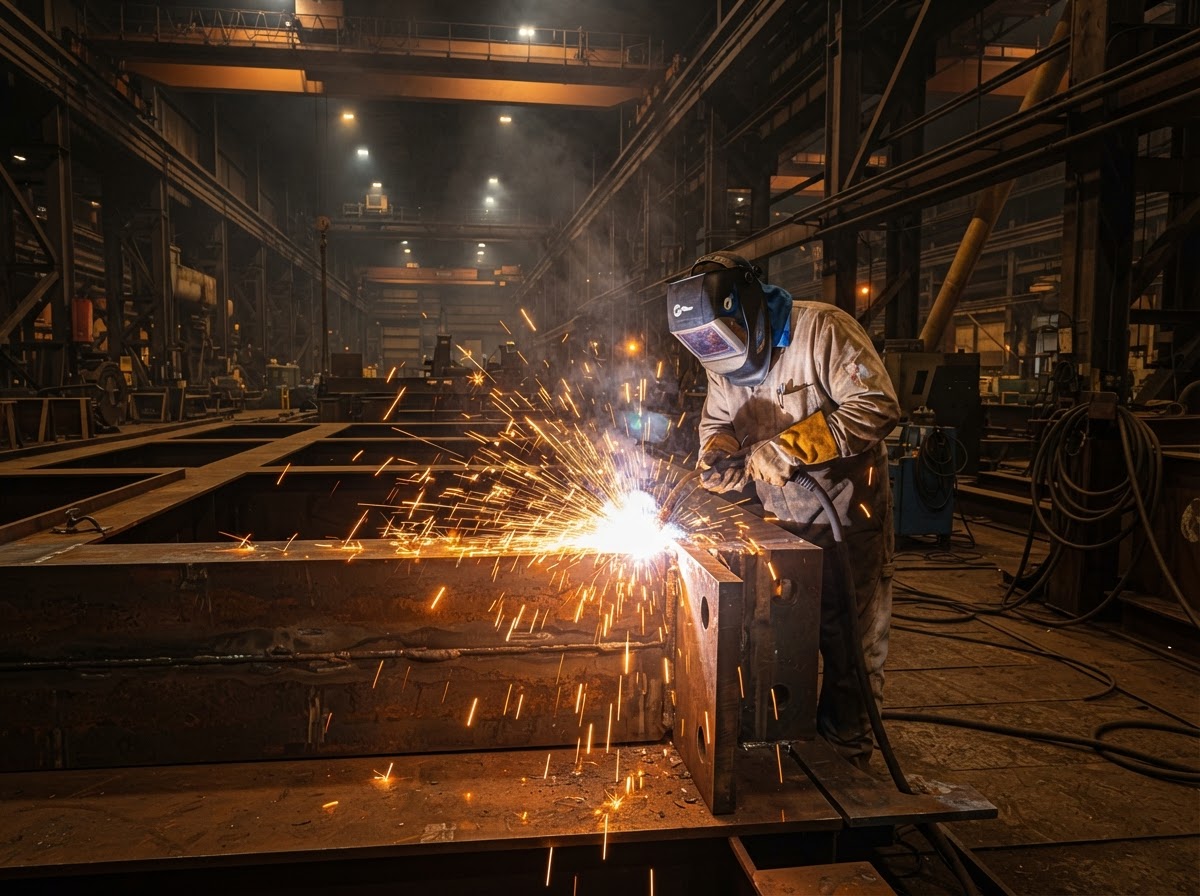
Fabrication and welding for custom structures require the same attention to preparation, fit-up, and technique as any structural welding project. The welds must be sound, properly sized, and free of defects. For structural connections, the welding may need to meet code requirements and be inspected.
Installation and Integration
Custom metal structures must be properly installed and integrated with the surrounding construction. For new construction, the structure is installed as part of the building process. For existing buildings, installation may involve connecting to existing structural elements, modifying existing construction, and coordinating with other trades.
Anchoring is critical. The structure must be securely anchored to its supports — foundation, existing structural steel, or building elements. The anchoring must be designed for the loads the structure will carry and must be properly executed. For structural connections, the anchoring may need to meet code requirements.
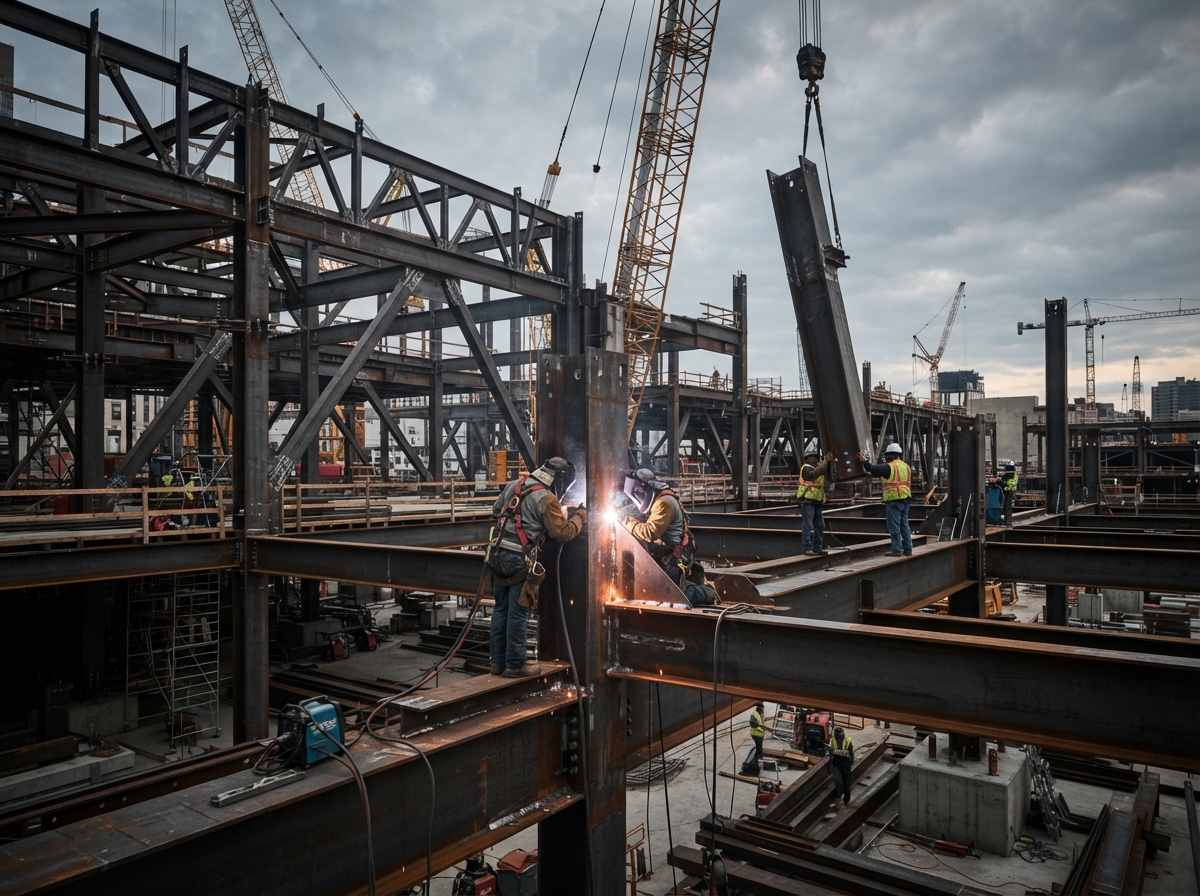
For mobile welding installation, the welder brings equipment to the site and performs the final connections. This is common for structures that are partially fabricated in the shop and assembled on-site, or for structures that need to be welded to existing construction.
At Micha Solution Welding, we can handle installation as part of the project. We coordinate with contractors, engineers, and other trades to ensure the structure is installed correctly and integrated properly with the surrounding construction.
Planning Your Custom Metal Structure Project
If you are planning a custom metal structure project — for a residential property, a commercial building, or an industrial facility — the first step is defining what you need. What will the structure do? What loads will it carry? What space constraints apply? What code requirements must be met?
Gather any relevant documentation — drawings, engineering plans, site measurements, photos. The more information you can provide, the more accurately the project can be planned and estimated. If engineering is required, coordinate with a licensed engineer and provide their specifications.
Contact Micha Solution Welding for a free estimate. Based in Hialeah, Florida, we serve clients across South Florida with 15 years of experience in custom metal structure fabrication and welding. Share your project requirements and we will evaluate the project, plan the work, and provide a personalized quote. From small residential structures to large industrial assemblies, we deliver metalwork built to perform.
Frequently Asked Questions
What types of metal structures can be custom fabricated?
Common custom metal structures include platforms, equipment supports, access structures, frames, architectural metalwork, railings, and structural reinforcements. Essentially any metal component that needs to fit specific dimensions or carry specific loads can be custom fabricated.
Can custom metal structures be installed on existing buildings?
Yes. Many custom metal structure projects involve adding or modifying structures on existing buildings. This requires evaluating the existing construction and planning the connections carefully. Mobile welding allows on-site installation and connection work.
How do I know if my metal structure project needs engineering?
Structural projects that involve load-bearing elements, building modifications, or permit requirements typically need engineering. If you are unsure, check with your local building department or discuss it with us during the estimate process.
Have a Welding Project in Mind?
Tell us what you need and get a personalized estimate — or call us directly.