Why Metal Selection Matters
The metal you choose for a fabrication project affects everything — strength, weight, corrosion resistance, weldability, cost, and appearance. Choosing the right metal ensures the finished component performs as intended in its specific environment. Choosing the wrong metal can lead to premature failure, excessive cost, or a component that simply does not meet the project requirements.
At Micha Solution Welding in Hialeah, Florida, we work with a range of metals and help clients select the right material for their project. With 15 years of experience in South Florida's demanding environment, we understand how different metals perform in local conditions. This guide covers the most common metals used in fabrication and the factors to consider when choosing.
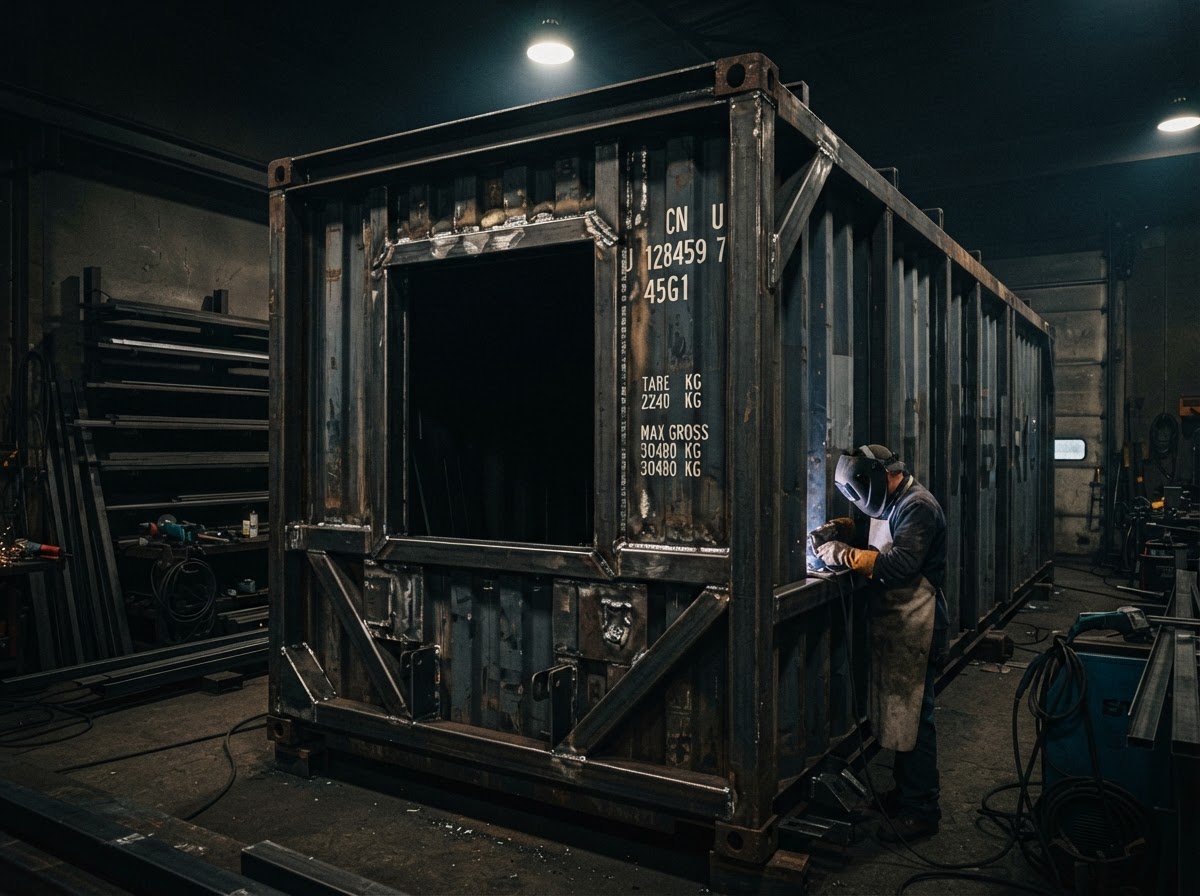
Whether you are planning a structural project, a custom component, or a container modification, understanding metal selection helps you make informed decisions and ensures the finished work performs reliably for years to come.
Carbon Steel: The Workhorse of Structural Fabrication
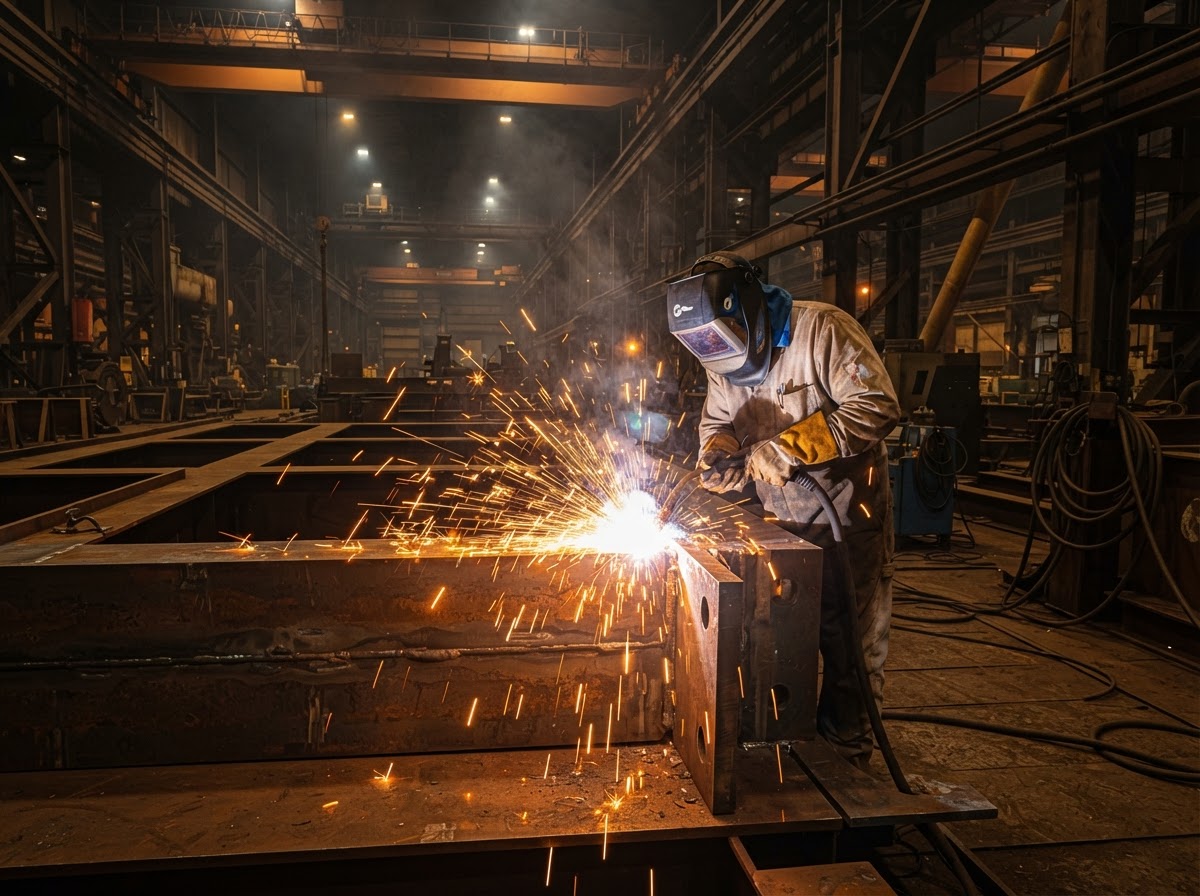
Carbon steel is the most widely used metal in structural fabrication, and for good reason. It is strong, durable, widely available, easy to weld, and cost-effective. Most structural steel — beams, columns, frames, supports, and braces — is made from carbon steel. It is the default choice for load-bearing applications where strength and economy are the primary requirements.
Carbon steel is available in a range of grades, from low-carbon (mild steel) to high-carbon. For structural fabrication, low-carbon steel — typically ASTM A36 or similar — is the most common. It offers good strength, excellent weldability, and is available in a wide range of shapes and sizes.
The primary disadvantage of carbon steel is corrosion. Without protection, carbon steel rusts when exposed to moisture and oxygen. In South Florida's humid, salt-air environment, unprotected carbon steel can begin to rust quickly. For this reason, carbon steel components that will be exposed to the elements must be protected with paint, primer, galvanizing, or another protective coating.
For indoor applications or components that will be protected from moisture, carbon steel is an excellent choice. It provides the strength and economy that most structural projects require. For outdoor applications, carbon steel can still be the right choice — it just needs proper protection.
Stainless Steel: Corrosion Resistance and Appearance
Stainless steel is an alloy that contains chromium, which forms a passive oxide layer on the surface that protects the metal from corrosion. This makes stainless steel highly resistant to rust and staining, even in harsh environments. It is the material of choice for applications where corrosion resistance is critical or where a clean, attractive appearance is desired.
There are many grades of stainless steel, each with different properties. The most common for fabrication are austenitic grades — 304 and 316. Grade 304 is the most widely used stainless steel, offering good corrosion resistance and excellent weldability. Grade 316 offers superior corrosion resistance, particularly in salt-water environments, making it a better choice for marine applications in South Florida.
Stainless steel is more expensive than carbon steel — often significantly more. It is also more difficult to weld, requiring TIG welding for best results and careful control of heat input to avoid carbide precipitation that can reduce corrosion resistance. For these reasons, stainless is typically used where its specific advantages — corrosion resistance and appearance — justify the additional cost.
Common applications for stainless steel include architectural metalwork, food-grade equipment, marine components, and any application where the metal will be exposed to corrosive environments and must maintain its appearance. For structural applications where corrosion is not a concern, carbon steel is usually more economical.
Aluminum: Lightweight and Corrosion-Resistant
Aluminum is a lightweight metal that offers excellent corrosion resistance and a good strength-to-weight ratio. It is about one-third the weight of steel, which makes it attractive for applications where weight is a concern. Aluminum also forms a natural oxide layer that protects it from corrosion, similar to stainless steel but without the need for alloying.
Aluminum is available in many alloys, each with different properties. For fabrication, the most common series are the 5000 and 6000 series. 6061 is a common structural aluminum alloy that offers good strength, weldability, and corrosion resistance. 5052 is often used for sheet metal applications where formability and corrosion resistance are important.
The primary disadvantages of aluminum are lower strength compared to steel (on a per-volume basis) and more difficult welding. Aluminum welding requires TIG or MIG welding with specialized equipment and techniques. The oxide layer on aluminum has a much higher melting point than the base metal, which must be removed before welding. Aluminum also has high thermal conductivity, which means heat dissipates quickly and requires higher amperage to weld.
Aluminum is the right choice for applications where weight is a primary concern — marine components, aerospace applications, and structures where the dead load of the metal itself is a factor. For most structural fabrication, steel is stronger and more economical. But for specific applications where aluminum's properties are advantageous, it is an excellent material.
Factors to Consider When Choosing
Several factors should guide the metal selection for your project. The first is structural requirements — what loads will the component carry, and what strength is needed? Carbon steel is the strongest and most economical for most structural applications. Stainless and aluminum are selected when other factors — corrosion resistance, weight, or appearance — are also important.
The second factor is the environment. Will the component be indoors or outdoors? Will it be exposed to moisture, salt, chemicals, or other corrosive elements? In South Florida's salt-air environment, outdoor components need corrosion protection. Carbon steel with proper coating, stainless steel, or aluminum all offer solutions, at different price points.
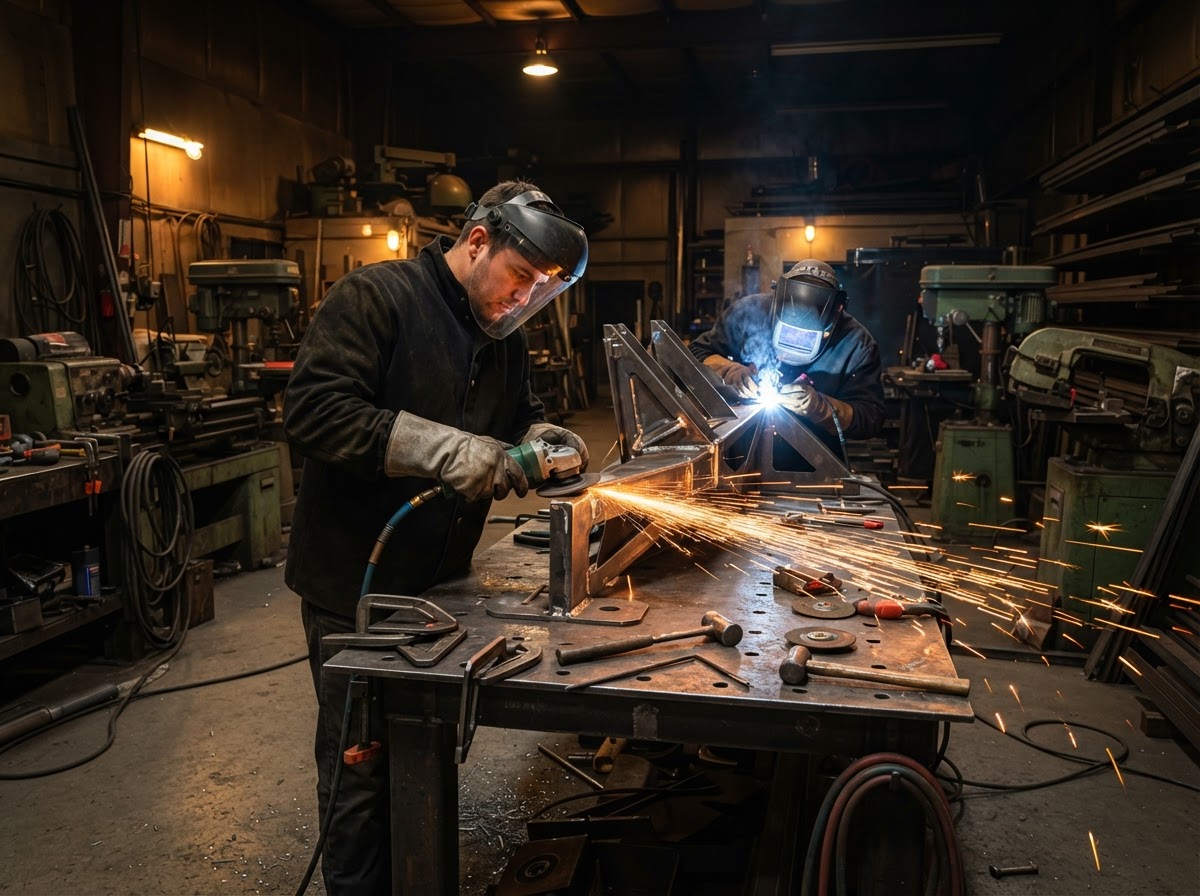
The third factor is weldability. All three metals are weldable, but they require different processes and techniques. Carbon steel is the easiest to weld. Stainless requires careful technique to maintain corrosion resistance. Aluminum requires specialized equipment and technique. If you have a preferred welding process, it may influence the metal choice.
The fourth factor is cost. Carbon steel is the least expensive. Aluminum is more expensive. Stainless steel is typically the most expensive. The cost difference must be weighed against the performance benefits. For many projects, carbon steel with proper coating provides the best balance of performance and economy.
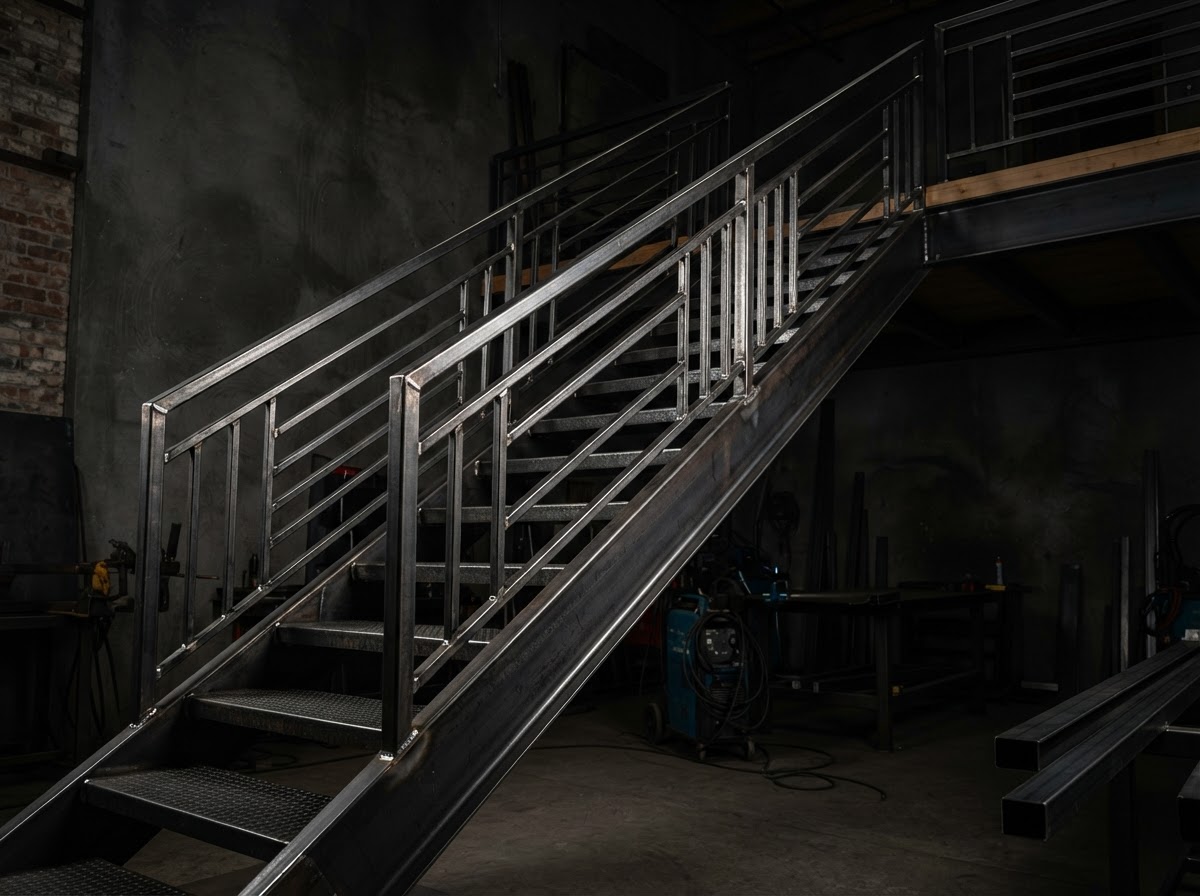
The fifth factor is appearance. For visible components — staircases, architectural metalwork, decorative elements — appearance may be a consideration. Stainless steel offers a clean, modern look. Aluminum can be anodized or painted in various colors. Carbon steel can be painted but requires ongoing maintenance to prevent rust.
South Florida Environmental Considerations
South Florida's environment presents specific challenges for metal fabrication. The combination of high humidity, salt air, intense sun, and heavy rain creates a corrosive environment that can significantly reduce the lifespan of unprotected metal. Understanding these challenges helps you choose materials that will perform reliably.
For outdoor components in South Florida, carbon steel must be protected with a high-quality coating system — primer, paint, or galvanizing. Even with protection, carbon steel requires periodic inspection and maintenance to ensure the coating remains intact. Once the coating is compromised, rust can spread quickly.
Stainless steel, particularly grade 316, offers excellent corrosion resistance in South Florida's salt-air environment. It does not require coating and maintains its appearance with minimal maintenance. For high-end or critical outdoor applications, the additional cost of stainless may be justified by the reduced maintenance and longer service life.
Aluminum also performs well in South Florida's environment, with good natural corrosion resistance. It does not rust like steel and requires less maintenance. For applications where weight and corrosion resistance are both important, aluminum is a strong choice.
At Micha Solution Welding, we help clients navigate these considerations. We work with carbon steel, stainless steel, and aluminum, and we can recommend the right material for your specific project and environment. With 15 years of experience in South Florida, we understand how different metals perform in local conditions.
Making the Right Choice for Your Project
Choosing the right metal for your fabrication project is a decision that affects the performance, durability, and cost of the finished work. By considering the structural requirements, environment, weldability, cost, and appearance, you can select the material that best fits your project.
At Micha Solution Welding, we help you make this decision. We evaluate your project, discuss the options, and recommend the material that provides the best balance of performance and economy. With 15 years of experience serving Hialeah and South Florida, we bring the expertise to ensure your project is built with the right metal for the job.
If you have a fabrication project in mind, contact us for a free estimate. Share your requirements, and we will evaluate the project, recommend the right material, and provide a personalized quote. Whether the answer is carbon steel, stainless, aluminum, or a combination, we will help you build it right.
Frequently Asked Questions
What is the most common metal used in structural fabrication?
Carbon steel is the most common structural metal. It is strong, widely available, easy to weld, and cost-effective. Most structural beams, frames, and supports are made from carbon steel.
Does stainless steel rust in South Florida?
Stainless steel is highly resistant to corrosion but not immune. In harsh environments like South Florida's salt-air climate, stainless performs significantly better than carbon steel, but proper grade selection and maintenance still matter.
Is aluminum strong enough for structural applications?
Aluminum can be used for structural applications, but it is less strong than steel on a per-volume basis. It is often chosen where weight is a primary concern. The specific alloy and design must account for the lower strength compared to steel.
Have a Welding Project in Mind?
Tell us what you need and get a personalized estimate — or call us directly.