Understanding the Fabrication Process
Custom metal fabrication is the process of transforming raw metal material into a finished, functional component or structure. It involves a series of steps — planning, cutting, shaping, fitting, welding, and finishing — each of which contributes to the quality and performance of the final product. Understanding this process helps you know what to expect when you commission a fabrication project and why each step matters.
At Micha Solution Welding in Hialeah, Florida, we handle the entire fabrication process from start to finish. With 15 years of experience, we have refined our approach to deliver components that fit, perform, and last. This guide walks through each stage of the metal fabrication process, explaining what happens and why it matters.
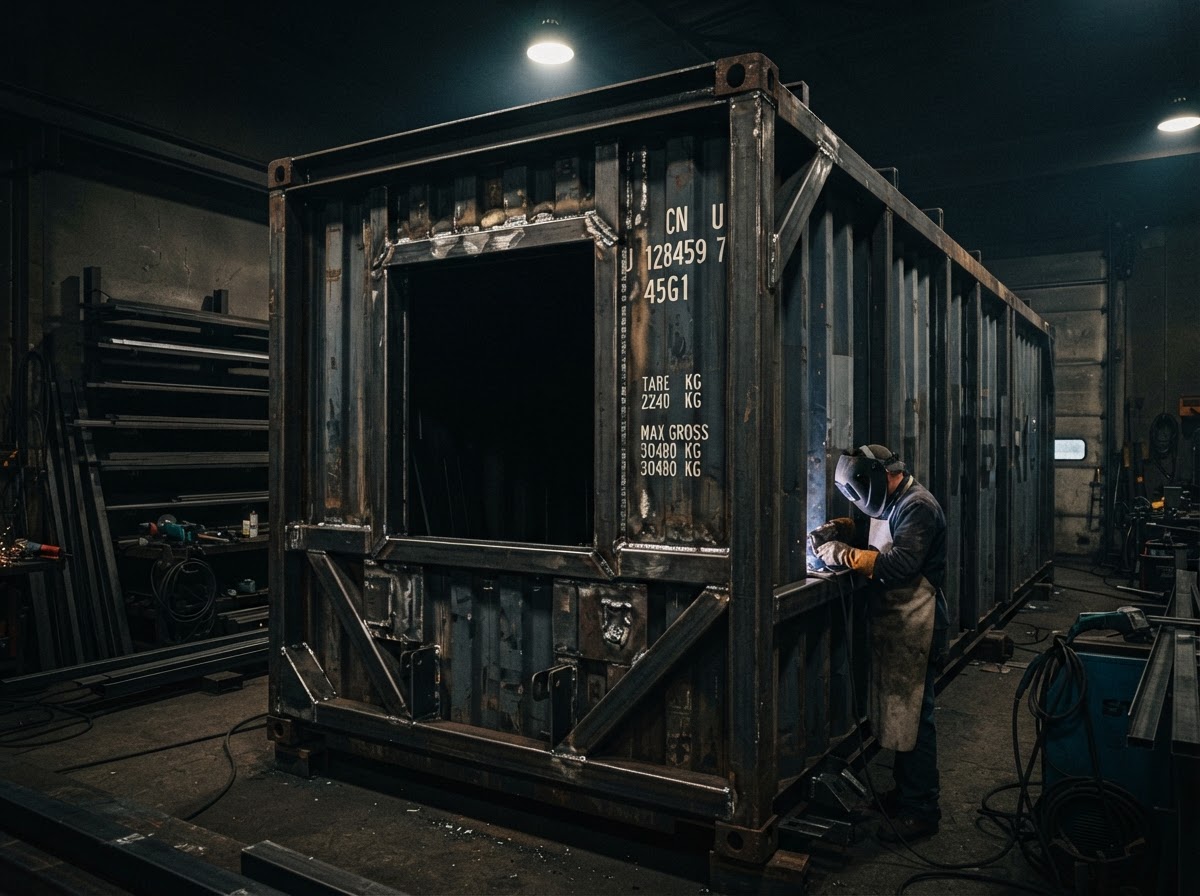
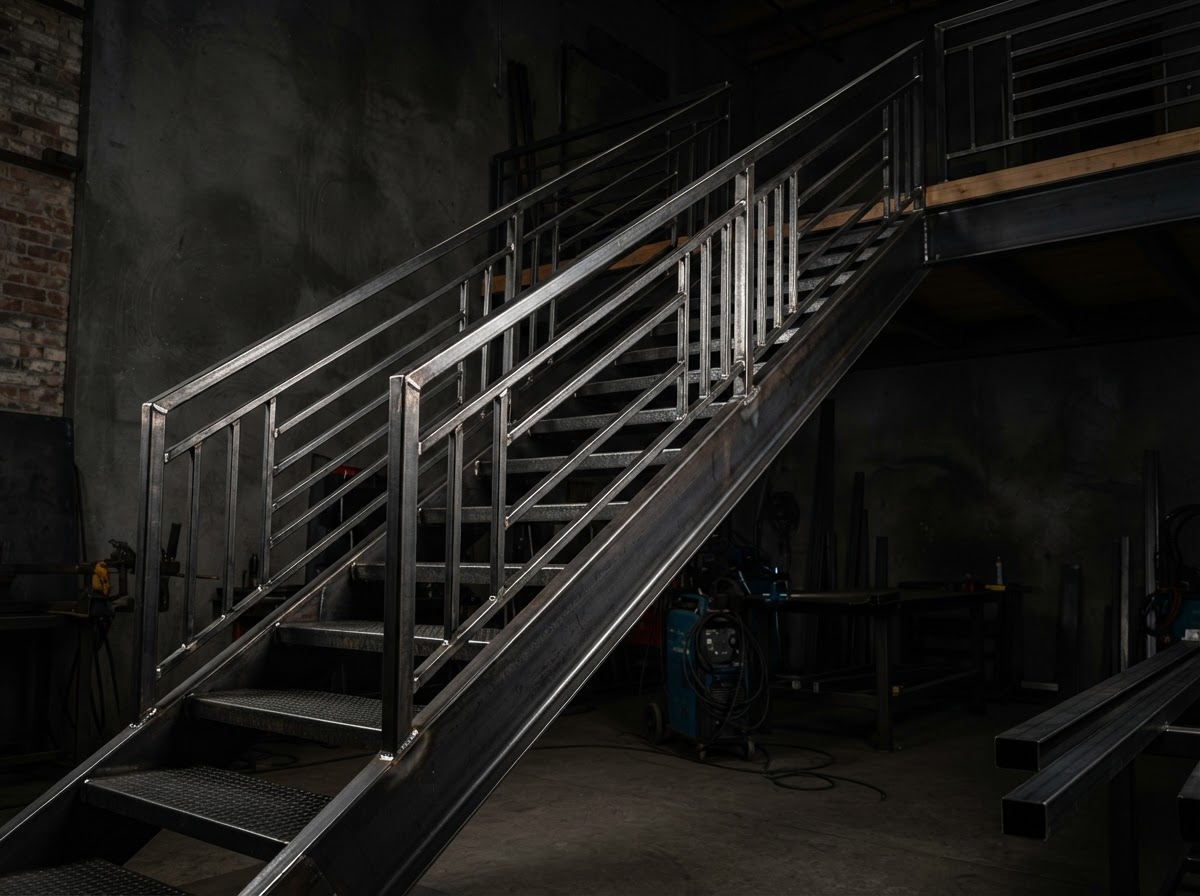
Whether you are planning a custom bracket, a structural assembly, a staircase, or a container modification, the same fundamental process applies. The specifics change with each project, but the stages remain consistent.
Stage 1: Planning and Design Review
Every fabrication project begins with planning. This stage involves reviewing the project requirements — drawings, specifications, samples, or descriptions — and determining how to produce the finished component. Planning includes selecting the material, determining the cutting and welding methods, planning the assembly sequence, and identifying any special requirements.
For projects with engineering drawings, the planning stage involves interpreting the drawings, identifying the dimensions and tolerances, and determining the materials and processes needed. For projects without formal drawings, the planning stage may involve taking measurements, creating sketches, and working with the client to define the requirements.
Planning also includes identifying potential challenges — complex cuts, difficult welds, access issues, or material availability — and developing solutions before the work begins. A well-planned project runs more smoothly, produces better results, and avoids costly mistakes.
At Micha Solution Welding, we encourage clients to share as much information as possible during the planning stage. Drawings, measurements, photos, and samples all help us plan the work accurately. Even a rough sketch with dimensions can make a significant difference in how smoothly the project goes.
Stage 2: Material Selection and Sourcing
Once the project is planned, the next step is selecting and sourcing the material. The material choice depends on the application — structural steel for load-bearing components, stainless steel for corrosion resistance, specific grades for particular environments, and specific thicknesses for the required strength.
For structural fabrication, carbon steel is the most common material. It is strong, weldable, and available in a wide range of shapes and sizes — flat bar, angle iron, channel, I-beam, tube, and plate. The specific shape and size depend on the project requirements.
Material sourcing involves obtaining the raw material in the required shapes, sizes, and quantities. For some projects, material is readily available from local suppliers. For others, specific sizes or grades may need to be ordered, which can affect the timeline.
In South Florida's humid, salt-air environment, material selection is particularly important. Components exposed to the elements may need corrosion-resistant materials or protective coatings. The planning stage should account for the environmental conditions the finished component will face.
Stage 3: Cutting
Cutting is the first physical step in fabrication. Raw material — bar, tube, plate, or structural shapes — is cut to the required dimensions. The cutting method depends on the material, thickness, and required precision.
Common cutting methods include sawing (for bar and tube), plasma cutting (for plate and thicker materials), torch cutting (for thick steel plate), and grinding (for small adjustments and finishing). Each method has its strengths and is selected based on the material and the precision required.
Precision in cutting is critical. If pieces are cut too long, too short, or at the wrong angle, the fit-up will be compromised and the finished component will not meet specifications. A professional fabricator measures carefully and cuts accurately, accounting for the kerf (the material removed by the cutting process) and any subsequent machining or grinding.
For complex shapes or curved cuts, more advanced methods like plasma cutting with a template or CNC plasma cutting may be used. For straight cuts on bar and tube, a chop saw or band saw is typically sufficient. The cutting method is chosen to produce the required precision efficiently.
Stage 4: Shaping and Forming
After cutting, some components require shaping or forming. This includes bending (for brackets, angles, and curved components), rolling (for cylinders and curved sections), and machining (for holes, slots, and precise features). Not all projects require shaping — many components are assembled from straight-cut pieces.
Bending is commonly used for brackets, clips, and components that require an angle or curve. The bending method depends on the material thickness and the required radius. Thinner materials can be bent with a press brake or hand tools; thicker materials may require hydraulic equipment.
Rolling is used for cylindrical or curved components. A plate roll can form steel plate into cylinders, cones, or curved sections. This is common for tanks, pipes, and curved structural elements.
Holes and slots are typically made by drilling or punching. Drilling produces precise holes with good tolerance. Punching is faster but may produce a rougher edge. The method depends on the required precision and the material thickness.
For custom fabrication projects that require complex shaping, the forming stage may involve multiple steps and tools. A professional fabricator has the equipment and experience to produce the required shapes accurately.
Stage 5: Fitting and Assembly
Fitting is the process of assembling the cut and shaped pieces into their final positions for welding. This is one of the most critical stages in fabrication. Proper fit-up — the alignment and gap between pieces — directly affects the quality of the welds and the dimensional accuracy of the finished component.
During fitting, pieces are positioned, aligned, and held in place with clamps, magnets, or tack welds. Tack welds are small welds that hold the pieces in position while the final welds are made. They must be properly executed because they become part of the finished weld.
The fitter checks dimensions, squareness, and alignment throughout the fitting process. If pieces are not properly aligned, adjustments are made before the final welds are applied. Once the fit-up is verified, the final welding can begin.
For complex assemblies, fitting may be done in stages — sub-assemblies are fitted and welded, then the sub-assemblies are fitted together and welded into the final component. This staged approach helps maintain dimensional control and manages the distortion that welding can cause.
At Micha Solution Welding, we take the time to get the fit-up right. We understand that proper fitting is the foundation of a quality weld and a dimensionally accurate finished component. Rushing the fitting stage leads to compromised welds and components that do not meet specifications.
Stage 6: Welding
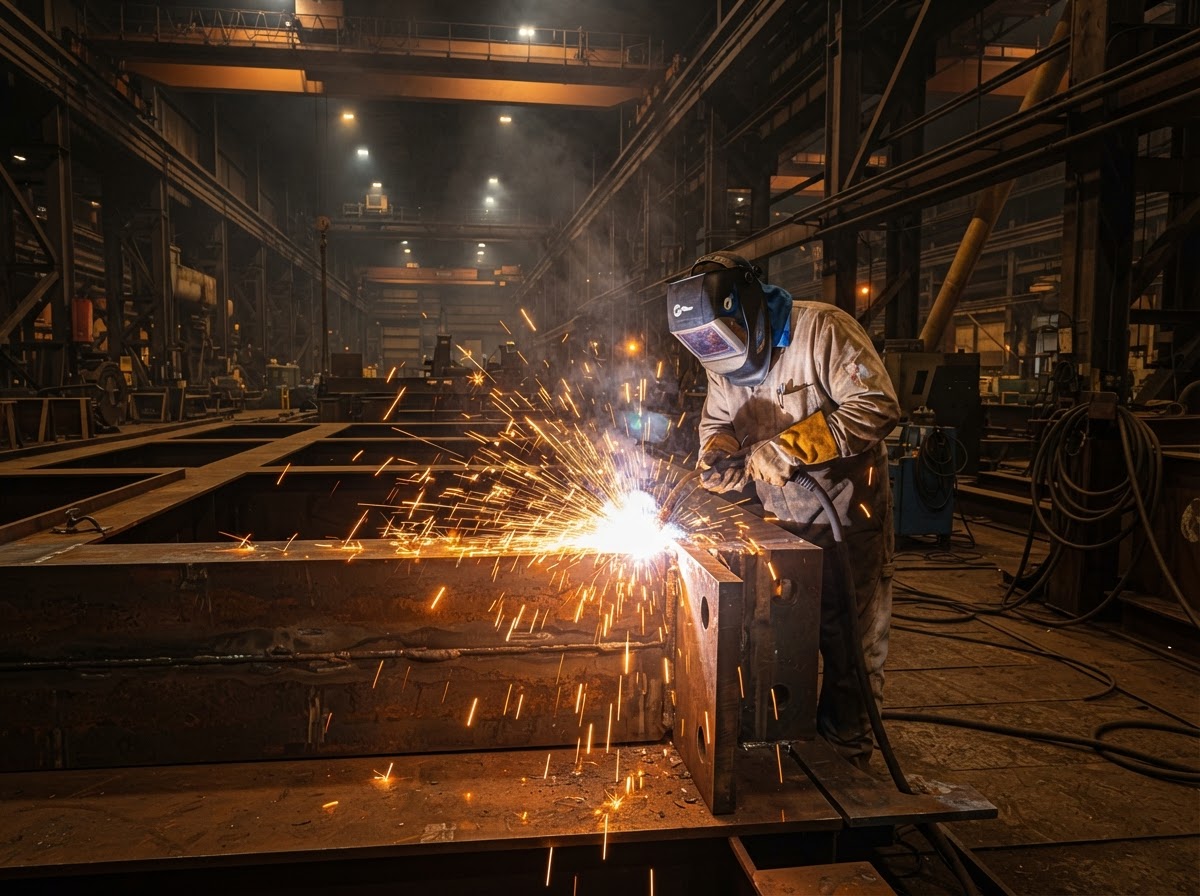
Once the pieces are fitted and tacked, the final welding is performed. The welding process — Stick, MIG, or TIG — is selected based on the material, thickness, position, and requirements of the project. The welder follows the planned welding sequence to minimize distortion and ensure proper fusion.
For multi-pass welds, each pass is cleaned before the next is applied. The welder monitors the weld pool, maintains correct technique, and watches for signs of problems. After welding is complete, the welds are inspected for defects — cracks, porosity, undercut, and other issues that could affect performance.
If defects are found, they are ground out and re-welded. The goal is to produce welds that are sound, properly sized, and free of defects that could compromise the strength or durability of the component.
The welding stage is where experience matters most. A welder with 15 years of experience has the skill to produce consistent, high-quality welds and the judgment to recognize and address problems before they become serious. This is why professional welding is an investment in the quality and reliability of the finished component.
Stage 7: Finishing
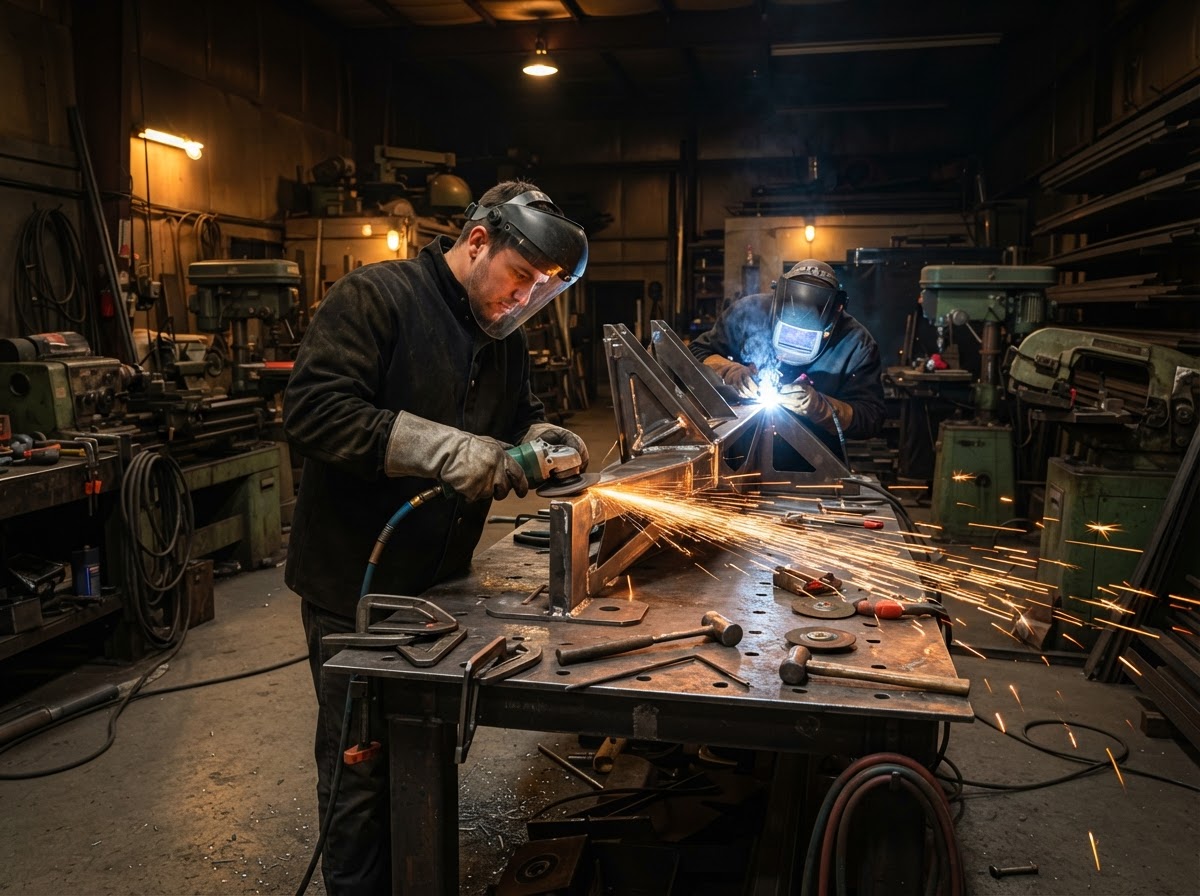
After welding, the finishing stage prepares the component for its final use. Finishing may include grinding welds smooth, removing slag and spatter, cleaning the surface, and applying protective coatings or paint.
Grinding smooths weld beads, removes excess material, and creates a clean, uniform appearance. For structural components, grinding may be limited to removing spatter and slag. For components where appearance matters — staircases, architectural metalwork, visible brackets — grinding produces a smooth, finished look.
Surface preparation for coating involves cleaning the metal of oil, rust, and contaminants, then applying primer and paint or another protective coating. In South Florida's environment, protective coating is essential for components exposed to the elements. Without it, steel will rust and deteriorate over time.
Final inspection is the last step in finishing. The component is checked against the specifications — dimensions, weld quality, appearance, and coating. If everything meets the requirements, the component is ready for delivery or installation.
Stage 8: Delivery and Installation
The final stage is delivering the finished component and, if required, installing it. For large components, this may involve trucking, lifting equipment, and coordination with other trades. For smaller components, delivery may be straightforward.
Installation may involve bolting, welding, or a combination of both. If the component is part of a larger structure, installation may require on-site welding to connect it to the existing construction. For mobile welding installation, the welder brings equipment to the site and performs the final connections.
At Micha Solution Welding, we can handle delivery and installation as part of the project. We can also coordinate with contractors and other trades to ensure the installation goes smoothly. Discuss your installation needs during the planning stage so they can be factored into the project.
Bringing It All Together
The metal fabrication process is a sequence of stages — planning, material selection, cutting, shaping, fitting, welding, finishing, and delivery — each of which contributes to the quality of the final product. Understanding this process helps you know what to expect and why each stage matters.
At Micha Solution Welding, we handle the entire process with 15 years of experience and a commitment to quality. From the first cut to the final weld, we plan and execute each stage to deliver components that fit, perform, and last. If you have a fabrication project in Hialeah or South Florida, contact us for a free estimate. Share your drawings, samples, or requirements, and we will evaluate the project and provide a personalized quote.
Frequently Asked Questions
What is the first step in metal fabrication?
The first step is planning — reviewing drawings or specifications, determining material requirements, and planning the cutting, fitting, and welding sequence. Proper planning ensures the finished component matches the design and performs as intended.
What does fitting mean in metal fabrication?
Fitting is the process of assembling and aligning the cut pieces so they are properly positioned for welding. Good fit-up is critical — if pieces are misaligned or gaps are incorrect, the resulting welds will be weaker and the finished component may not meet specifications.
What finishing steps are involved after welding?
Finishing may include grinding welds smooth, removing slag and spatter, applying protective coatings or paint, and final inspection. Finishing protects the metal from corrosion and ensures the component meets appearance and performance requirements.
Have a Welding Project in Mind?
Tell us what you need and get a personalized estimate — or call us directly.