Different Properties, Different Requirements
A metal gate that is perfect for a residential driveway may be entirely inadequate for a commercial entrance, and a gate designed for a commercial property may be unnecessarily heavy and expensive for a home. The requirements for residential, commercial, and industrial gates differ in terms of size, strength, security, frequency of use, and appearance. Understanding these differences is essential for planning a gate project that meets the specific needs of the property.
At Micha Solution Welding, we fabricate custom metal gates for all three property types. Based in Hialeah, Florida, we serve clients throughout Miami-Dade County with gates designed and built around the specific requirements of each application. With 15 years of experience, we understand how the requirements change based on the property type and how to adapt the design, materials, and fabrication accordingly.
This guide compares residential, commercial, and industrial gate requirements and explains how custom fabrication adapts to each. Whether you are a homeowner, a business owner, or a facility manager, understanding these differences helps you plan a gate project that serves your property's needs.
Residential Gate Requirements
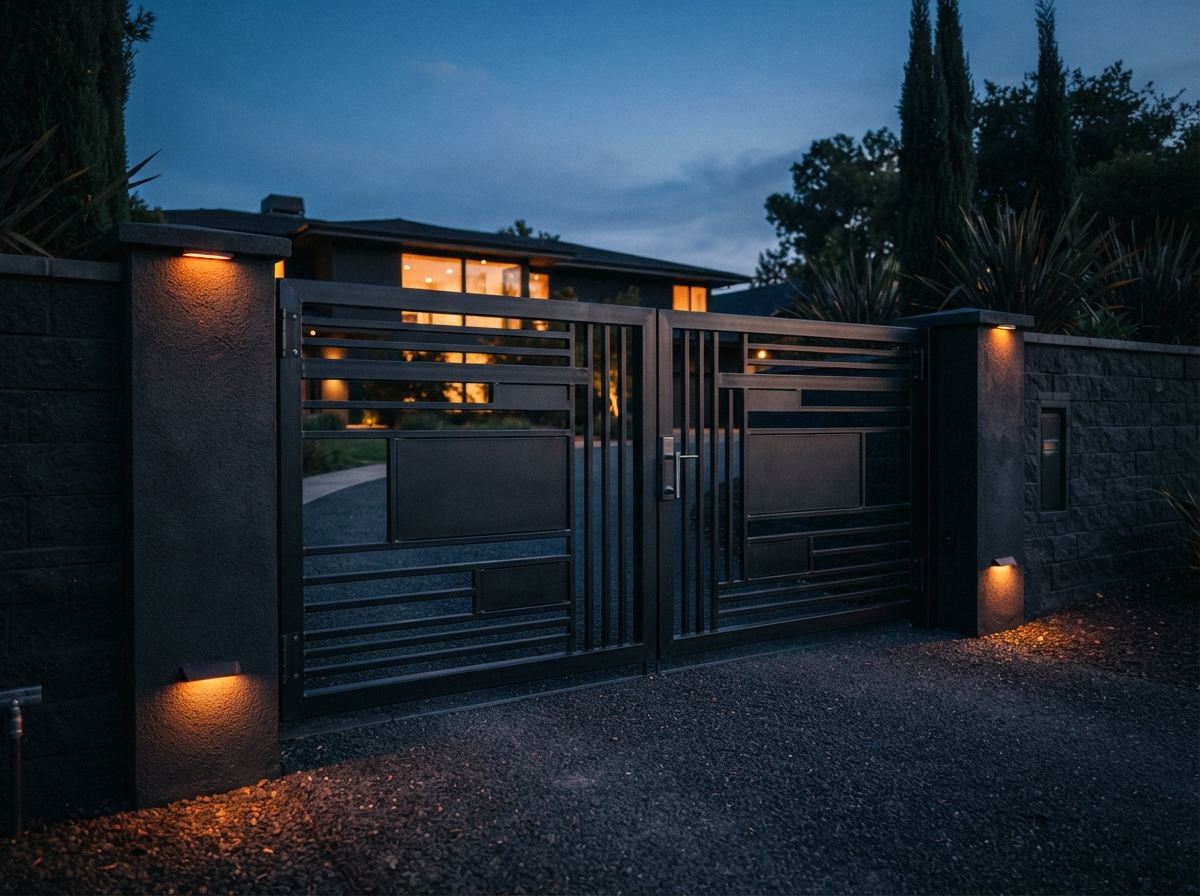
Residential gates serve two primary purposes: property access control and aesthetic enhancement. A residential gate controls who can enter the property, provides a visual and physical boundary, and contributes to the property's appearance. The balance between security and aesthetics is a key consideration — most homeowners want a gate that looks good and provides reasonable security without looking like a prison entrance.
Size requirements for residential gates vary. A pedestrian gate might be 3 to 4 feet wide, while a driveway gate might need 10 to 16 feet of clear opening. The gate must be sized to the opening and to the vehicles that will use it. For residential driveways, the gate must accommodate the largest vehicle that will enter — which may include delivery trucks, boats, or RVs depending on the household.
Design preferences for residential gates tend to emphasize appearance. Homeowners often want a gate that complements the architectural style of the property and any existing metalwork. Common residential gate styles include simple vertical bar designs, decorative scrollwork, panel designs, and combinations of these. The finish is important — it must look good and provide corrosion protection in South Florida's climate.
Security requirements for residential gates are typically moderate. The gate needs to be strong enough to resist casual attempts to force it open, but it does not need to withstand determined attacks. The hardware — hinges, latches, and locks — should be reliable and durable but does not need to be heavy-duty. The focus is on deterring casual intrusion and providing peace of mind.
Frequency of use for residential gates is typically low to moderate. A driveway gate may be opened and closed a few times a day. The gate and hardware must be durable enough for this level of use, but they do not need the heavy-duty construction that a frequently used commercial gate requires.
Commercial Gate Requirements
Commercial gates serve a broader range of purposes than residential gates. They may control access to parking areas, loading docks, service entrances, or entire commercial properties. The requirements are typically more demanding than residential gates in terms of size, strength, security, and durability, because commercial gates face heavier use and more demanding conditions.
Size requirements for commercial gates are often larger than residential gates. A commercial driveway or entrance gate may need 20 feet or more of clear opening to accommodate delivery trucks and commercial vehicles. The larger size means the gate must be stronger to resist wind loads and the weight of the gate itself. The posts and hardware must also be heavier duty to support the larger gate.
Design considerations for commercial gates emphasize functionality and durability over aesthetics, although appearance is still important for many commercial properties. Commercial gates are often simpler in design — panel gates, vertical bar gates, or heavy-duty frame gates — because the focus is on performance rather than decoration. However, for commercial properties where appearance matters — retail entrances, office complexes — the gate can be designed to combine strength with an attractive appearance.
Security requirements for commercial gates are typically higher than residential gates. Commercial properties may face greater security risks, and the gate is often a primary access control measure. The gate must be strong enough to resist forced entry, and the hardware — hinges, latches, and locks — must be heavy-duty and reliable. In some cases, additional security features may be needed, such as reinforced frames or tamper-resistant hardware.
Frequency of use for commercial gates can be high. A gate at a busy commercial entrance may be opened and closed dozens of times per day. The gate, hinges, and latch must be designed and built for this level of use. Heavy-duty hardware is essential, and the gate frame must be rigid enough to maintain alignment despite frequent operation.
Industrial Gate Requirements
Industrial gates serve the most demanding applications. They may control access to industrial facilities, secure equipment or storage areas, or provide safety barriers around hazardous areas. The requirements for industrial gates emphasize strength, durability, and reliability above all else.
Size requirements for industrial gates can be very large. Industrial facilities may need gates wide enough for heavy equipment, trucks, or multiple vehicles. The gate must be engineered to carry its own weight at these sizes, which requires heavy-duty frame design, bracing, and hardware. The posts must be set in substantial footings to support the gate's weight and resist wind loads.
Design for industrial gates is purely functional. The focus is on strength, reliability, and resistance to abuse. Industrial gates are typically heavy-duty frame gates with minimal decorative elements. The finish must be appropriate for the industrial environment, which may include exposure to chemicals, moisture, or abrasive conditions. Heavy-duty protective coatings or galvanizing are often used.
Security requirements for industrial gates are typically the highest of the three property types. Industrial facilities may face significant security risks, and the gate is often a critical part of the facility's security system. The gate must be strong enough to resist determined forced entry, and the hardware must be heavy-duty and tamper-resistant. In some cases, industrial gates may need to meet specific security standards or requirements.
Frequency of use for industrial gates varies but can be very high. A gate at a busy industrial facility may be opened and closed continuously throughout the day. The gate and hardware must be designed for this level of use, with heavy-duty construction throughout. Regular maintenance is particularly important for industrial gates because the consequences of failure can be significant.
Material and Construction Differences
The materials and construction methods for custom metal gates vary based on the property type. Residential gates typically use lighter-gauge steel tubing and standard hardware, which is adequate for the loads and use levels involved. Commercial gates use heavier-gauge steel and heavy-duty hardware to withstand more demanding conditions. Industrial gates use the heaviest materials and hardware available, with construction designed for maximum strength and durability.
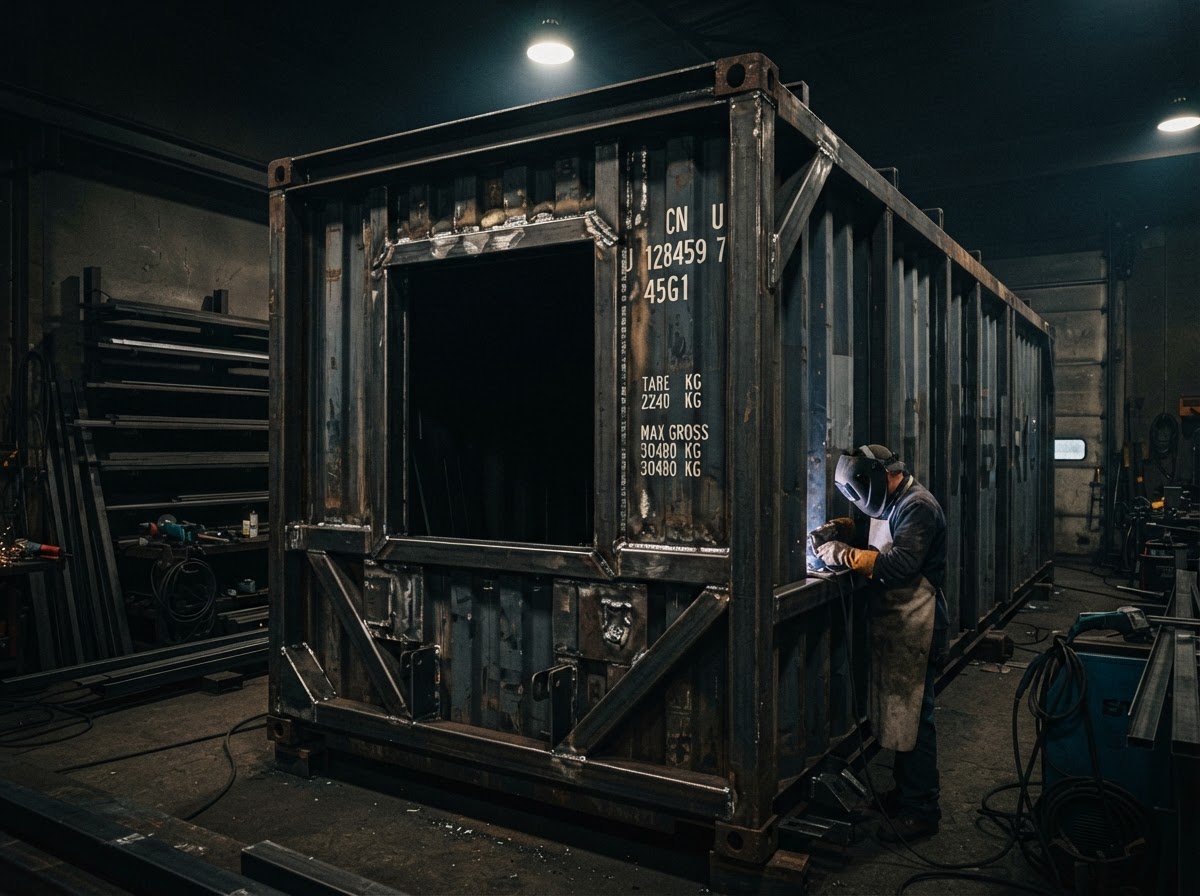
Welding quality is important for all gate types, but the requirements increase with the property type. Residential gate welds must be sound and clean, but they do not need to meet the same standards as structural welds. Commercial gate welds must be stronger and more carefully executed, particularly at the hinge points and frame connections. Industrial gate welds must be the strongest and most carefully executed, as the gate's performance and safety depend on them.
Finishes also vary by property type. Residential gates often use paint or powder coating, which provides good corrosion protection and an attractive appearance. Commercial gates may use powder coating or galvanizing, depending on the exposure conditions and the desired appearance. Industrial gates often use galvanizing or heavy-duty industrial coatings, which provide the maximum corrosion protection for harsh environments.
Hardware selection follows the same pattern. Residential gates use standard hinges and latches that are adequate for moderate use. Commercial gates use heavy-duty hinges and latches designed for frequent use and higher loads. Industrial gates use the heaviest-duty hardware available, designed for continuous use and maximum security.
Choosing the Right Gate for Your Property
The key to a successful custom gate project is matching the gate's design, materials, and construction to the specific requirements of the property. A gate that is under-built for its application will fail prematurely. A gate that is over-built will be unnecessarily expensive and may look out of place. The right gate is the one that meets the property's needs without excess.
For residential properties, the focus is on appearance, moderate security, and adequate durability. The gate should complement the property, provide reasonable access control, and last for years with basic maintenance. For commercial properties, the focus shifts to durability, higher security, and heavier use. The gate must withstand frequent operation and provide reliable access control. For industrial properties, the focus is on maximum strength, security, and durability. The gate must perform reliably under the most demanding conditions.
At Micha Solution Welding, we evaluate each gate project individually. We consider the property type, the opening, the use requirements, the security needs, and the aesthetic preferences. Then we design and fabricate a gate that meets those specific requirements. With 15 years of experience serving Miami-Dade CountyMiami-Dade County, we understand how to match the gate to the property.
If you need a custom metal gate for a residential, commercial, or industrial property, contact us for a free estimate. Share the details of your project — property type, opening measurements, use requirements, and design preferences — and we will evaluate the requirements and provide a personalized quote. Call (305) 515-0490 or request an estimate online. Based in Hialeah, Florida, we bring the experience and attention to detail that custom gate fabrication demands.
Frequently Asked Questions
What is the difference between a residential and commercial metal gate?
Residential gates typically prioritize appearance and standard security, while commercial gates emphasize heavy-duty construction, higher security, and durability for frequent use. The materials, design, and hardware are selected based on the property type and usage requirements.
Can a commercial metal gate be made to look attractive?
Yes. Commercial gates can combine strength and appearance. While the primary focus is durability and security, the design can include aesthetic elements that complement the property. Custom fabrication allows both goals to be met.
Do you fabricate gates for industrial properties?
Yes. We fabricate metal gates for residential, commercial, and industrial applications. Industrial gates typically require the heaviest construction and the most durable finishes. Contact us with your specific requirements.
Have a Welding Project in Mind?
Tell us what you need and get a personalized estimate — or call us directly.