The Material Decision for Roof Structures
When planning a roof structure, one of the fundamental decisions is the material for the beams. Steel and wood are the two most common choices, and each has distinct properties that affect the performance, cost, and longevity of the structure. The right choice depends on the specific requirements of the project — the span, the loads, the environment, the budget, and the design.
At Micha Solution Welding in Hialeah, Florida, we specialize in steel fabrication and welding, but we understand that the material decision should be based on what is best for the project, not on what we do. With 15 years of experience in South Florida, we have seen projects where steel was the clear choice and projects where wood was adequate. This guide provides a practical comparison to help you make an informed decision.
In South Florida's demanding environment — with humidity, salt air, hurricanes, and intense sun — the material choice for roof structures has long-term implications. Understanding the differences helps you choose a material that will perform reliably for the life of the building.
Strength and Load Capacity
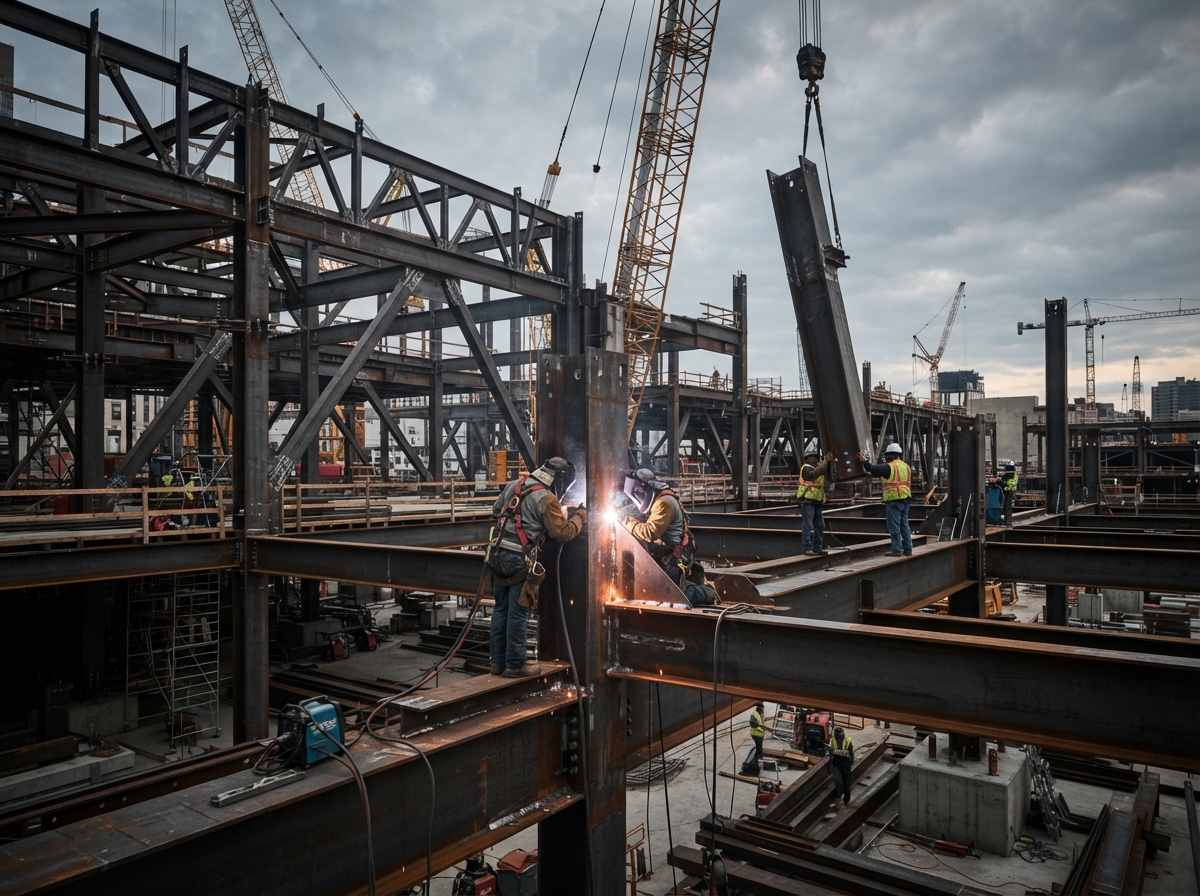
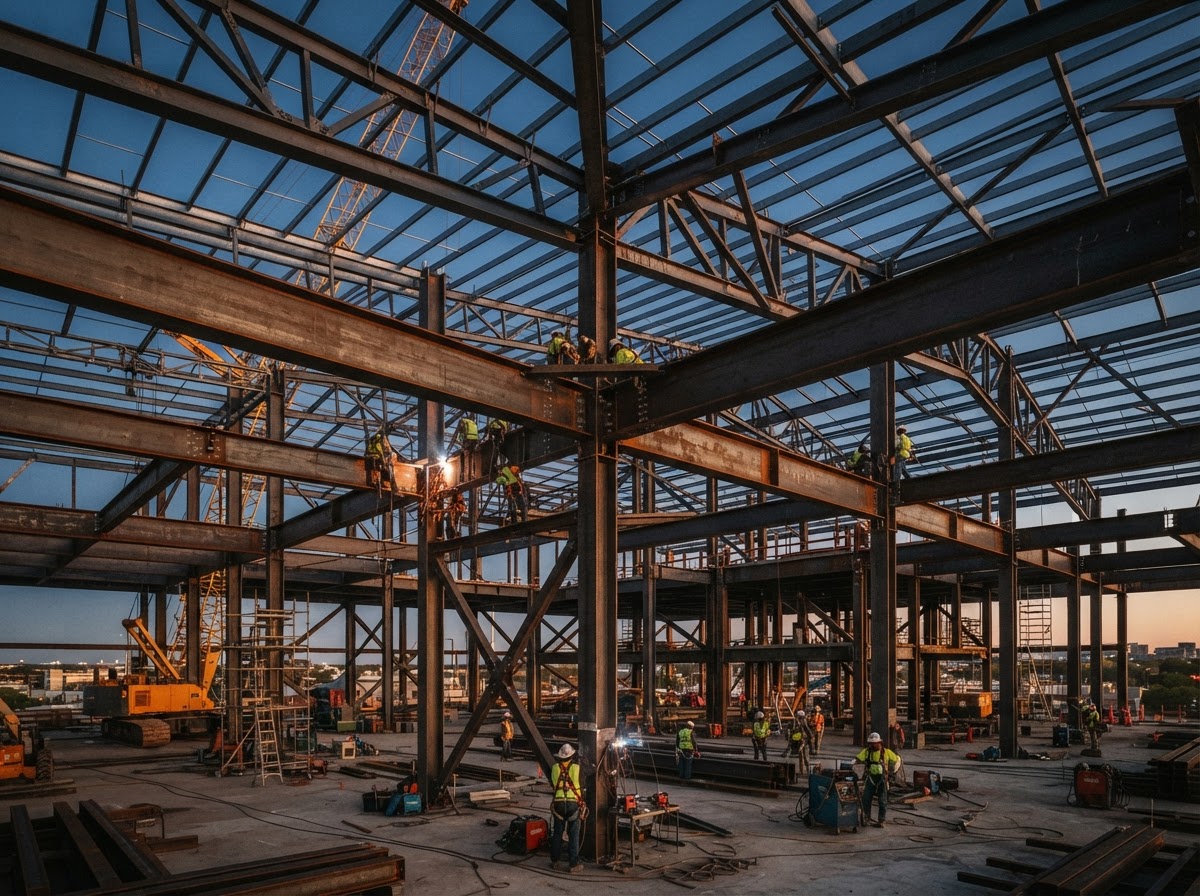
Steel is significantly stronger than wood on a per-volume basis. A steel beam can carry the same load as a wood beam that is much larger, which means steel can span longer distances with a smaller profile. For roof structures that need to span wide openings without intermediate supports, steel is often the only practical option.
The strength of steel is also more consistent and predictable than wood. Steel is manufactured to specific grades with known properties, while wood is a natural material with variability in strength, density, and quality. Steel beams do not have knots, splits, or grain defects that can compromise their strength.
For roof structures in South Florida, the load requirements include not just the dead load (the weight of the structure) and live load (the weight of occupants and contents), but also wind loads. The wind uplift forces on a roof can be significant, and the beams must be able to resist them. Steel's high strength-to-weight ratio makes it well-suited for resisting wind loads.
For projects where the span is short and the loads are modest, wood beams may be adequate. For longer spans, heavier loads, or projects where a smaller beam profile is needed, steel is the better choice. An engineer can evaluate the requirements and recommend the appropriate material and size.
Durability and Environmental Resistance
Durability is where the comparison becomes particularly relevant for South Florida. Wood is vulnerable to moisture, insects (particularly termites, which are prevalent in Florida), rot, and mold. In South Florida's humid environment, wood roof structures must be carefully protected and maintained to prevent deterioration.
Steel is not vulnerable to insects, rot, or mold. It does not absorb moisture, warp, or swell. However, steel is vulnerable to corrosion — particularly in South Florida's salt-air environment. Unprotected steel will rust, and corrosion can eventually compromise the structural integrity of the beam. For this reason, steel beams must be protected with paint, primer, galvanizing, or another protective coating.
With proper protection, steel beams can last for decades with minimal maintenance. The coating must be maintained — if it is damaged, it should be repaired to prevent corrosion. But compared to wood, which requires ongoing protection from moisture and insects, steel generally requires less maintenance over its service life.
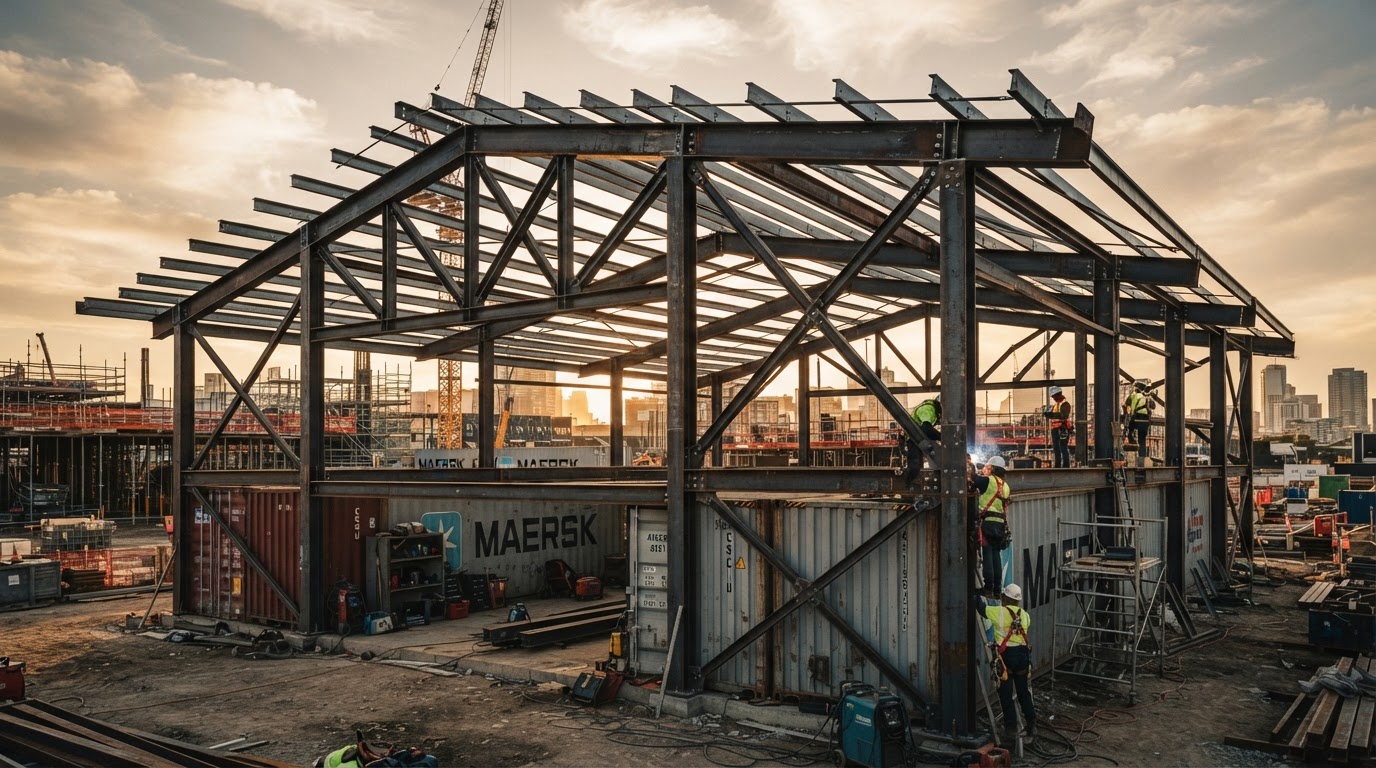
For outdoor or exposed roof structures — such as roof framing over containers or open structures — steel is particularly advantageous. Wood exposed to South Florida's weather will deteriorate relatively quickly without constant maintenance. Steel, properly coated, will perform reliably for much longer.
Fire Resistance
Fire resistance is another factor where steel and wood differ significantly. Steel is non-combustible — it does not burn or contribute to the spread of fire. Wood is combustible and can fuel a fire. For commercial and industrial buildings, where fire code requirements may be more stringent, steel's fire resistance is an advantage.
It is worth noting that while steel does not burn, it does lose strength at high temperatures. In a severe fire, unprotected steel can weaken and sag. For this reason, steel beams in fire-rated assemblies may need fireproofing — a coating or enclosure that insulates the steel and maintains its strength during a fire. The specific requirements depend on the building code and the occupancy type.
Despite this limitation, steel's non-combustibility is a significant advantage. It does not ignite, it does not spread flame, and it does not produce smoke or toxic gases when exposed to heat. For buildings where fire safety is a priority, steel is generally preferred over wood.
Cost Comparison
Cost is a complex factor in the steel vs. wood comparison. On a per-linear-foot basis, steel beams are typically more expensive than wood beams. The material cost is higher, and the fabrication and installation costs are also higher because steel requires specialized equipment and skills.
However, the cost comparison should consider the full picture. Steel can span longer distances, which may reduce the number of beams needed and eliminate intermediate supports. Steel's greater strength may allow for a smaller, lighter structure that uses less material overall. Steel's durability may reduce maintenance and replacement costs over the life of the building.
For short spans with modest loads, wood is generally more economical. For longer spans, heavier loads, or projects where steel's other advantages — durability, fire resistance, dimensional stability — are important, steel may be the more cost-effective choice when total lifecycle cost is considered.
The best way to evaluate cost is to get estimates for both options and compare them in the context of your specific project. An engineer or a contractor can help you understand the trade-offs and make an informed decision.
Design Flexibility
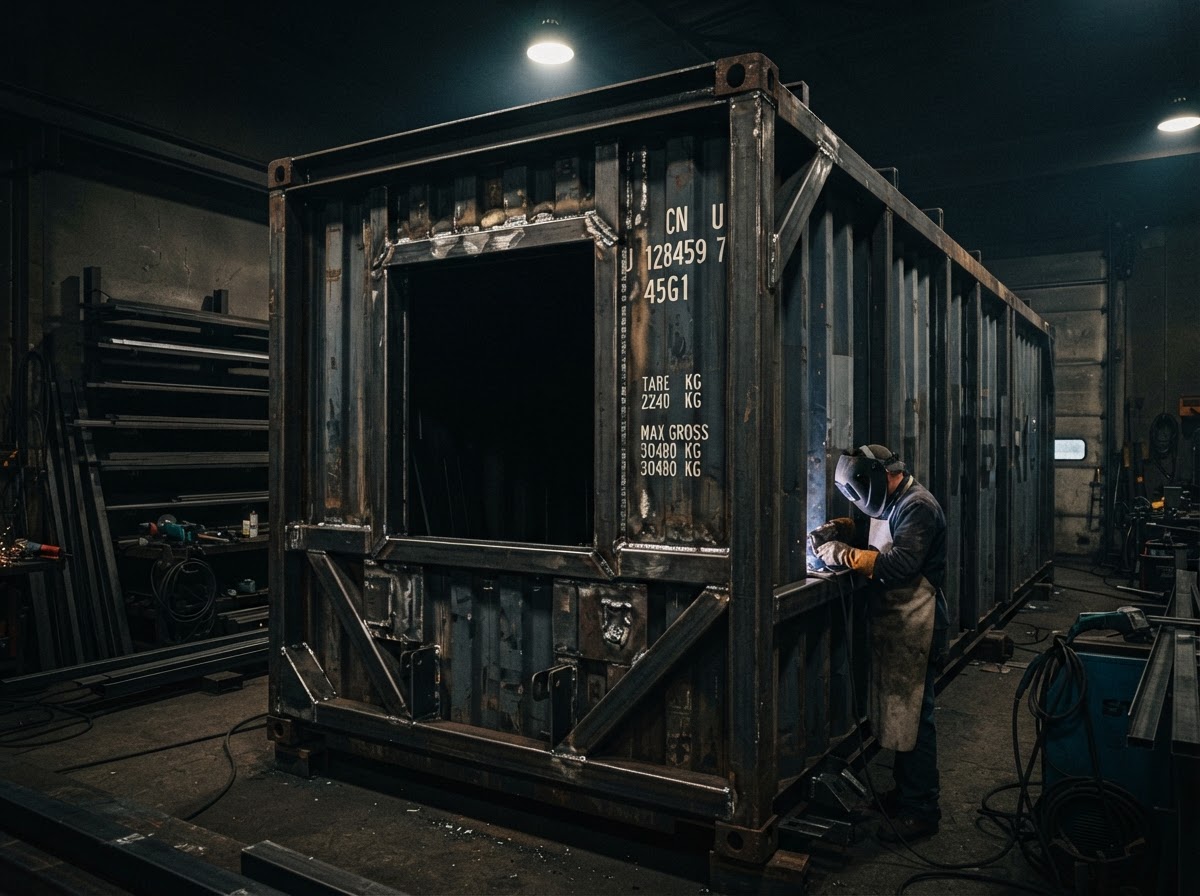
Steel offers greater design flexibility than wood. Steel can be fabricated to virtually any shape or size, allowing for roof structures with unusual geometries, long spans, or custom configurations. Wood is limited by the sizes and shapes available from lumber mills and by the natural properties of the material.
For projects with non-standard designs — curved roofs, angled frames, or structures with specific architectural requirements — steel is often the more practical choice. Steel can be cut, bent, and welded to create the exact configuration needed, while wood is more limited in what shapes it can take.
Steel also offers more options for connections. Steel connections can be welded, bolted, or a combination, and can be designed for specific load requirements. Wood connections rely on bolts, nails, hangers, and other hardware, which may limit the design options for complex connections.
For projects where design flexibility is important — custom homes, commercial buildings with unique architecture, or structures with specific aesthetic requirements — steel provides options that wood cannot match.
Sustainability Considerations
Both steel and wood have sustainability considerations. Wood is a renewable resource — trees can be replanted and grown. However, wood treatment chemicals, the energy used in milling and transportation, and the shorter service life of wood in harsh environments all affect its environmental footprint.
Steel is recyclable — it can be melted down and reused indefinitely without loss of properties. Much of the steel used in construction contains recycled content. However, steel production is energy-intensive, and the environmental cost of production is significant.
For South Florida projects, the durability argument favors steel. A steel roof structure that lasts 50 years with minimal maintenance has a different environmental footprint than a wood structure that may need replacement or significant maintenance in a harsh environment. The longer service life can offset the higher initial environmental cost of steel production.
Making the Choice for Your Project
The choice between steel and wood for your roof structure depends on the specific requirements of your project. Consider the span and load requirements, the environmental conditions, the fire safety requirements, the budget, and the design. For many South Florida projects, steel's advantages in strength, durability, and wind resistance make it the preferred choice.
At Micha Solution Welding, we specialize in steel fabrication and welding for roof structures. If you have a project that involves steel roof framing, steel beams, or structural steel work, contact us for a free estimate. Based in Hialeah, Florida, we serve clients across South Florida with 15 years of experience. Share your project requirements and engineering specifications, and we will evaluate the project and provide a personalized quote.
Frequently Asked Questions
Are steel beams more expensive than wood beams?
Steel beams typically cost more per linear foot than wood beams. However, steel can span longer distances with fewer supports, is more durable, and requires less maintenance. For projects that need long spans or high load capacity, steel is often the more cost-effective choice overall.
Can steel beams be used in residential construction?
Yes. Steel beams are commonly used in residential construction for floor and roof support, particularly for open floor plans that require long spans without intermediate supports. Steel beams can be concealed in ceilings or left exposed as a design feature.
Do steel beams rust in South Florida?
Unprotected steel will rust in South Florida's humid, salt-air environment. Steel beams must be protected with paint, primer, galvanizing, or another protective coating. With proper protection, steel beams perform reliably for decades.
Have a Welding Project in Mind?
Tell us what you need and get a personalized estimate — or call us directly.