Why Safety Matters in Metal Fabrication
Welding and metal fabrication involve intense heat, electrical current, molten metal, UV radiation, and fumes. Without proper safety practices, these hazards can cause serious injuries — burns, eye damage, respiratory problems, fires, and electrical shocks. Safety is not an add-on to the fabrication process; it is an integral part of how a professional welder works.
At Micha Solution Welding in Hialeah, Florida, safety is a fundamental part of our practice. With 15 years of experience, we have developed safety habits that protect our team, our clients, and the property where we work. This guide covers the essential safety practices and quality standards that govern professional metal structure fabrication.
Whether you are hiring a welder or simply want to understand the safety aspects of the work being done on your property, this information provides a foundation for understanding welding safety.
Personal Protective Equipment (PPE)
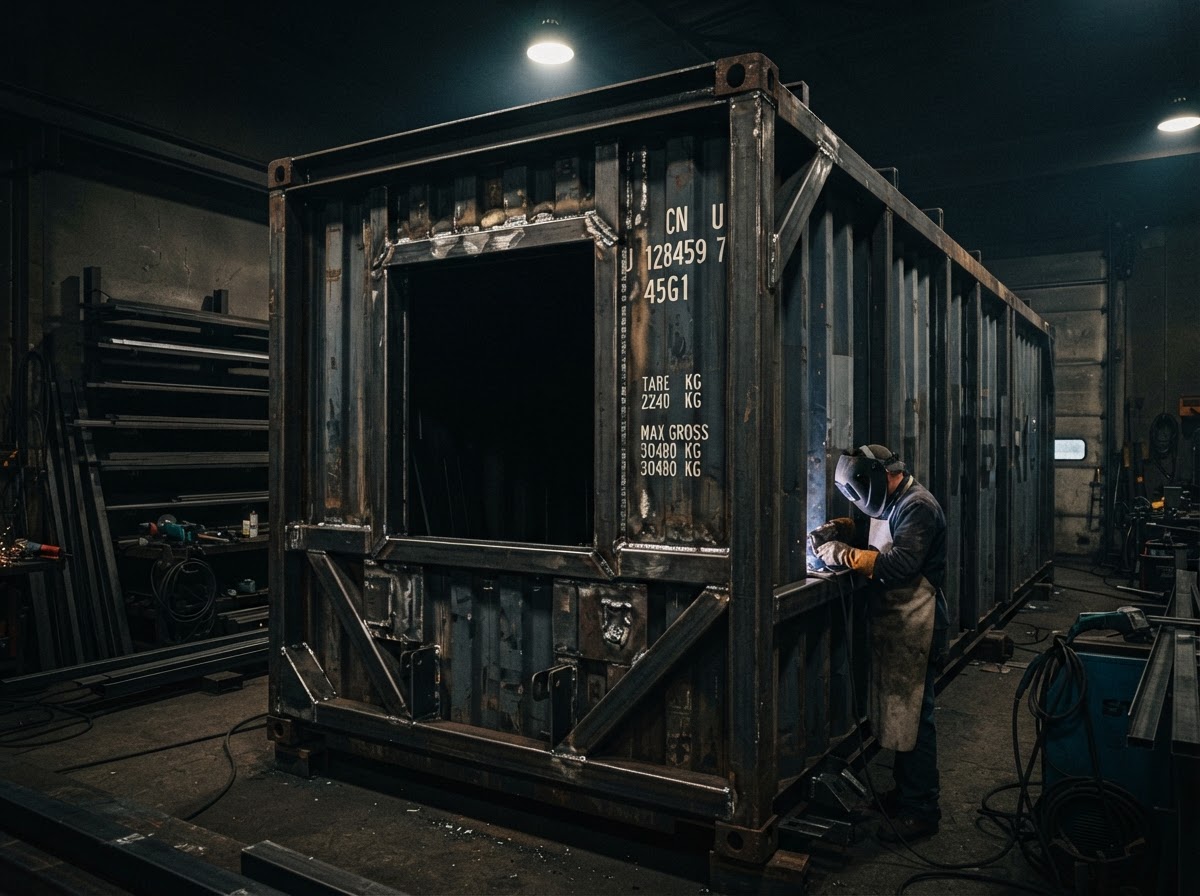
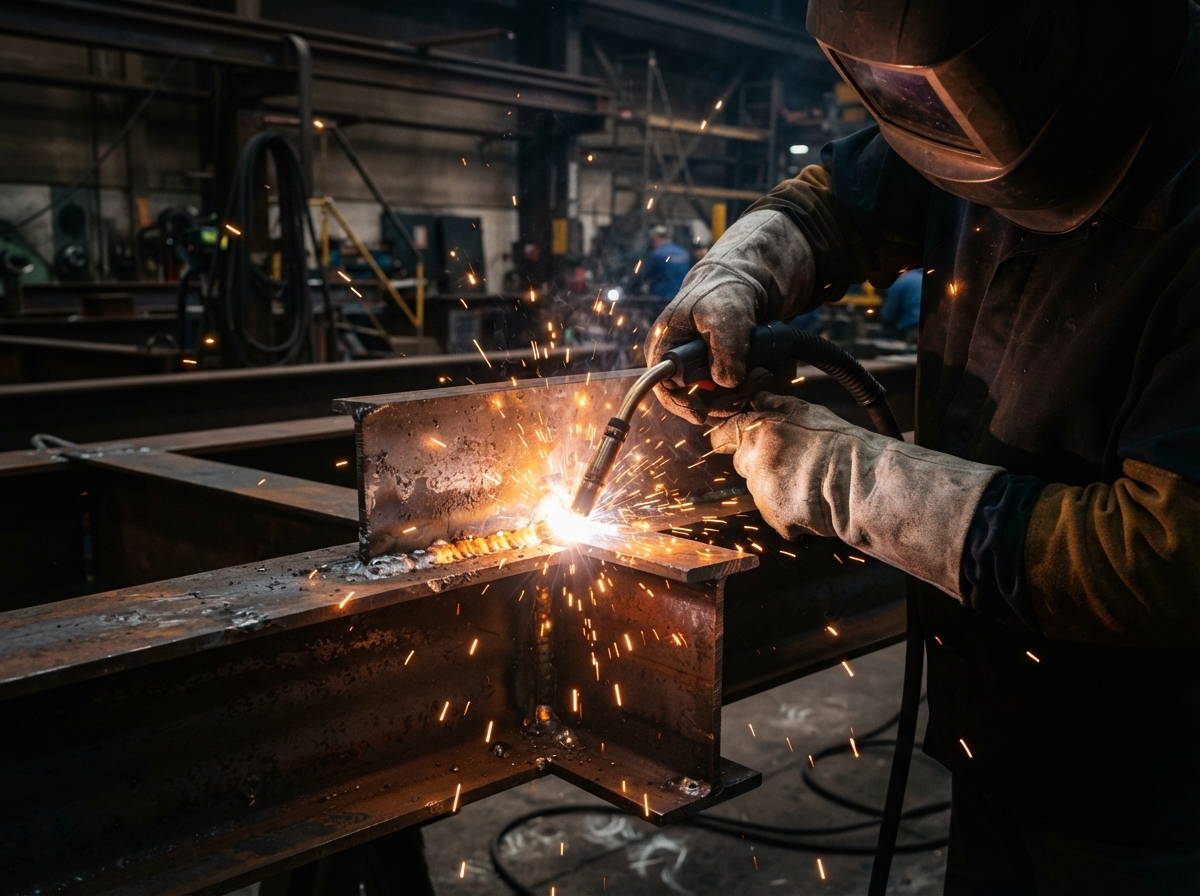
Personal protective equipment is the first line of defense against welding hazards. A professional welder wears appropriate PPE at all times during welding and related work. The essential PPE for welding includes a welding helmet with the correct shade lens, flame-resistant clothing, leather welding gloves, steel-toe boots, and hearing protection when needed.
The welding helmet is the most critical piece of PPE. It protects the eyes and face from the intense UV and infrared radiation produced by the welding arc. Without proper eye protection, a condition called arc flash — essentially a sunburn of the eye — can cause painful, temporary vision damage. The helmet's shade lens must be appropriate for the welding process and amperage being used.
Flame-resistant clothing protects the skin from sparks and spatter. Welding jackets, aprons, and pants made from flame-resistant materials prevent burns from the hot metal particles that welding produces. Cotton and synthetic fabrics can ignite or melt, so dedicated welding clothing is essential.
Leather welding gloves protect the hands from heat, sparks, and electrical shock. They must be in good condition — worn or damaged gloves can allow heat and sparks to reach the skin. Steel-toe boots protect the feet from dropped materials and provide a stable platform for welding work.
Fire Safety
Welding produces sparks that can travel significant distances — up to 35 feet or more — and can ignite flammable materials. Fire safety is one of the most important aspects of welding safety, particularly for mobile welding where the work is done in various locations.
Before starting to weld, the work area should be cleared of flammable materials — paper, cardboard, wood shavings, solvents, fuels, and other combustibles. If flammable materials cannot be removed, they should be protected with fire-resistant blankets or metal shields. A fire extinguisher should be readily accessible and in working condition.
For welding in or near buildings, special attention is needed. Sparks can travel through cracks, openings, and ventilation ducts to reach combustible materials in hidden spaces. A fire watch — someone who monitors the area during and after welding — may be required for high-risk locations. The fire watch should continue for at least 30 minutes after welding is completed, as smoldering fires can develop slowly.
For mobile welding at client sites, the welder is responsible for ensuring the work area is safe before starting. This includes identifying fire hazards, protecting combustible materials, and having fire suppression equipment available. At Micha Solution Welding, we take fire safety seriously on every project.
Ventilation and Fume Management
Welding fumes contain metal particulates, oxides, and gases that can be harmful when inhaled. The specific hazards depend on the materials being welded — welding galvanized steel produces zinc fumes, welding stainless steel produces chromium and nickel compounds, and all welding produces ozone and nitrogen oxides from the arc.
In enclosed or poorly ventilated spaces, welding fumes can accumulate to dangerous levels. Ventilation or fume extraction is essential in these environments. This can be provided by natural ventilation (open doors and windows), mechanical ventilation (fans and exhaust systems), or local fume extraction (a system that captures fumes at the source).
For outdoor welding, natural ventilation usually provides adequate dilution of fumes. However, wind direction should be considered — the welder should position themselves so fumes are carried away, not toward them. In confined outdoor spaces or sheltered areas, additional ventilation may still be needed.
For welding on materials that produce particularly hazardous fumes — galvanized steel, stainless steel, or painted materials — additional precautions may be needed. Grinding or burning through paint can release toxic compounds, so paint should be removed from the weld area before welding.
Electrical Safety
Welding equipment uses significant electrical current, and electrical safety is an important aspect of welding safety. The welding machine must be properly grounded, cables must be in good condition, and connections must be secure. Damaged cables or loose connections can create electrical hazards.
The work clamp — the connection that completes the electrical circuit — must be securely attached to the work piece or a clean, bare metal surface near the weld area. A poor work clamp connection can cause arcing at the connection point, creating a fire hazard and an unstable arc.
Welding should not be performed in wet conditions. Water and electricity are a dangerous combination, and moisture on the work piece, cables, or equipment can create a shock hazard. If welding must be performed in damp conditions, additional precautions are needed.
For mobile welding, the welder is responsible for ensuring the electrical setup is safe at each location. This includes checking the power source, verifying the equipment is properly connected, and ensuring the work area is dry and safe.
Quality as a Safety Practice
Quality and safety are closely related in metal fabrication. A poorly executed weld is not just a quality issue — it is a safety issue. A structural weld that contains defects, is undersized, or was not properly executed can fail under load, creating a safety hazard. For this reason, quality control is an integral part of welding safety.
A professional welder inspects their work, identifies defects, and repairs them. They follow proper procedures for preparation, technique, and inspection. They understand the requirements of the joint and execute the weld to meet those requirements. This attention to quality is what ensures the finished structure is safe and reliable.
At Micha Solution Welding, we treat quality as a safety practice. Every weld is executed with the understanding that someone will depend on it. Whether it is a structural beam, a stair, or a custom bracket, the work must be strong, sound, and reliable. This commitment to quality is part of what 15 years of experience brings to every project.
Site Safety for Mobile Welding
Mobile welding presents additional safety considerations because the work is done at various locations, each with its own conditions and hazards. Before starting work at a new site, the welder should assess the area for hazards — fire risks, access, ventilation, power supply, and the condition of the work piece.
For residential sites, considerations include protecting the property from sparks and heat, ensuring adequate ventilation, and managing the noise and disruption of welding work. The homeowner should be informed of the hazards and safety precautions being taken.
For commercial and industrial sites, there may be site-specific safety requirements — safety training, personal protective equipment standards, work permits, and coordination with other activities. The welder should comply with all site safety requirements in addition to standard welding safety practices.
At Micha Solution Welding, we bring the same safety standards to every site. Whether we are working in a residential garage, a commercial building, or an industrial facility, we assess the site, identify hazards, and work safely. This is part of being a professional welder.
Safety as a Standard of Professionalism
Safety is not just about avoiding injuries — it is a standard of professionalism. A welder who works safely is a welder who takes the work seriously, respects the hazards, and delivers quality results. When you hire a professional welder, you should expect safety to be a priority, not an afterthought.
At Micha Solution Welding, safety is part of our identity. With 15 years of experience serving Hialeah and South Florida, we have built a practice that prioritizes safety, quality, and professionalism on every project. If you have a welding or fabrication project, contact us for a free estimate. We bring the experience, the equipment, and the safety practices that your project deserves.
Frequently Asked Questions
What PPE is required for welding?
Welding requires a welding helmet with appropriate shade lens, flame-resistant clothing, leather gloves, steel-toe boots, and eye protection. For grinding and cutting, safety glasses and a face shield are also required. Proper PPE protects against burns, eye damage, and UV exposure.
What fire hazards are associated with welding?
Welding produces sparks and heat that can ignite flammable materials. The work area should be cleared of combustibles, and fire blankets or metal shields should be used to protect nearby surfaces. A fire extinguisher should always be readily available.
Is welding ventilation important?
Yes. Welding fumes contain metal particulates and gases that can be harmful. In enclosed spaces, ventilation or fume extraction is essential. Outdoor welding generally provides natural ventilation, but wind direction and fume management should still be considered.
Have a Welding Project in Mind?
Tell us what you need and get a personalized estimate — or call us directly.